
Nanonets
automationData extraction automation for document processing
AI automation tools connect apps, trigger workflows, and handle repetitive tasks without manual input. The 429 tools here range from no-code workflow builders that link your existing SaaS stack to more intelligent systems that adapt their behavior based on context. Use cases span HR, operations, customer service, and sales.
Data extraction automation for document processing

Browser automation for web scraping and testing

AI customer engagement platform for ecommerce and D2C

AI voice agents for inbound and outbound calls

Build and deploy AI agents with built-in governance
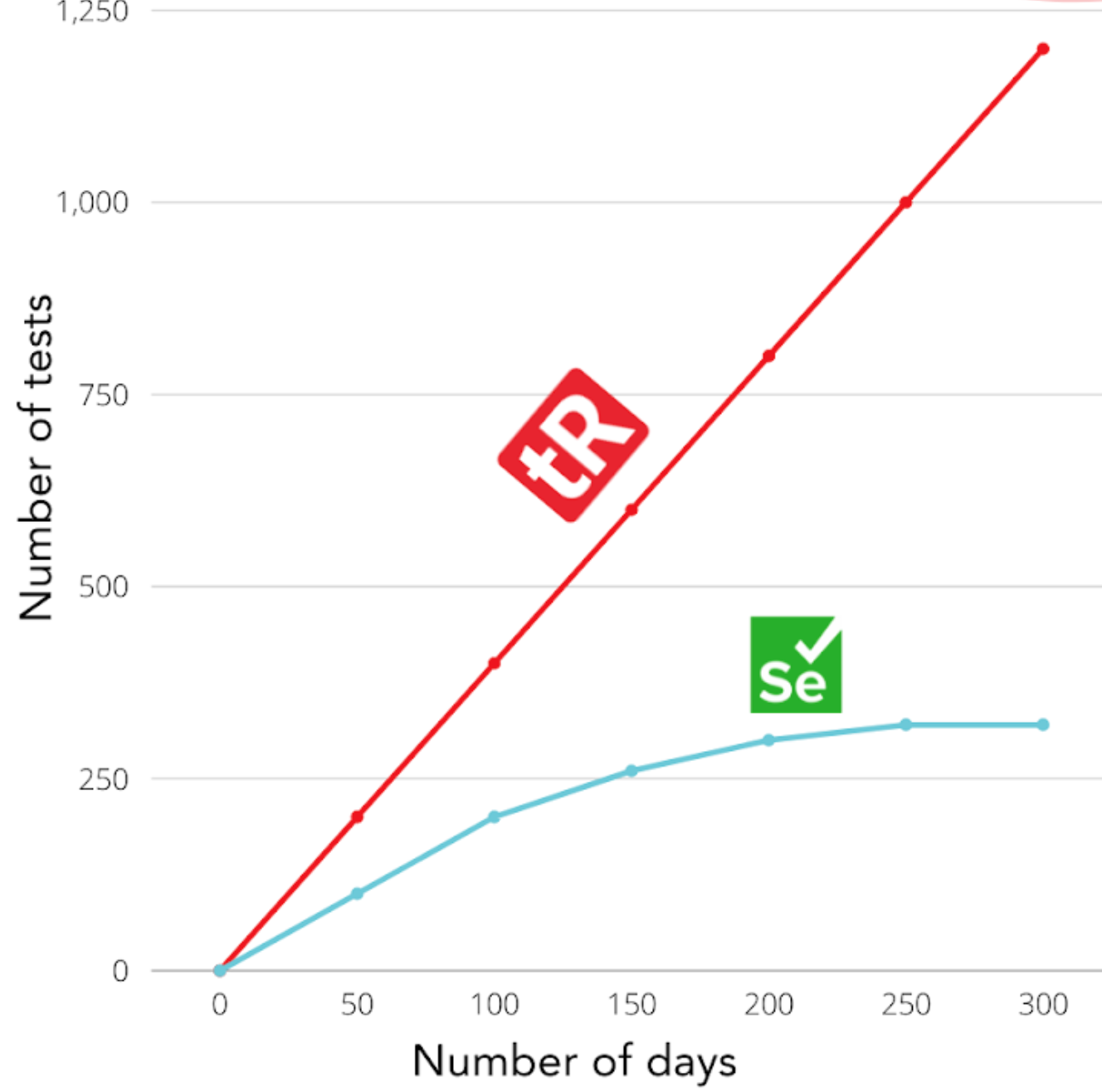
Test automation using plain English commands

Smart email management

131 AI copilots across legal, health, finance, and other fields

Baseball and softball swing analysis

AI agents for content and digital marketing

Automate financial operations with intelligent workflows

AI agents and automation models
Build and monitor AI agents for specific business tasks
AI analytics for Shopify stores

Test and optimize AI voice and chat agents at scale

AI virtual agents for customer service automation
Enterprise platform bridging people and systems
Automation tools in this category differ mainly in how much they rely on predefined logic versus AI-driven decision-making. Traditional workflow tools execute fixed sequences of actions. AI-augmented ones, like several tools in this list, can parse unstructured inputs, classify content, or decide between branches based on model output. For most teams getting started, simpler rule-based automations deliver faster ROI than complex AI-driven ones. The key technical questions are: what triggers the workflow, which apps it can connect to, and what happens when an action fails. Error handling and retry logic are often overlooked during evaluation but matter significantly in production. Pricing typically follows a per-task or per-run model that can scale unexpectedly at higher volumes. Tools like Workativ and TeamPal also include human-in-the-loop features, which add accountability for sensitive processes.