
OpenAI Operator
autonomousChatGPT Pro's autonomous browser agent that navigates websites and fills forms on your behalf
Autonomous AI agents operate with high independence, pursuing goals over multiple steps, using tools, browsing the web, writing and executing code, and self-correcting when tasks go off track. The 56 tools here represent an emerging category where the agent, not the human, decides how to complete an objective.
ChatGPT Pro's autonomous browser agent that navigates websites and fills forms on your behalf

Build and publish AI personas that run inside Messenger, Instagram, and WhatsApp

Automated customer service for Dutch companies

Voice AI platform for enterprise call automation and phone support

Custom AI agents for querying, analyzing, and working with files

Connect and organize your ideas

Games and wins

Swipeable real estate property listings

AI tools directory queryable by agents
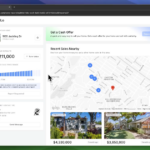
AI-driven lead generation for real estate agents

AI agents that handle accounts payable, billing, collections, and payroll
Autonomous agents are fundamentally different from assistants or chatbots. They are given a goal and a set of tools, and they plan and act without requiring a human to approve each step. This makes them useful for long-horizon tasks like research, lead qualification, or multi-system integrations, but it also means errors can compound before a human notices. Products like NexusGPT and AgentRunner provide infrastructure for building custom agents, while Superagent leans toward ready-to-deploy solutions. When evaluating, the most important factor is how gracefully the agent handles ambiguity and failure. Look for guardrails, human-override features, and transparency into what the agent actually did. Memory architecture affects how well the agent stays on task over long runs. Most tools in this category are priced by compute usage or API calls rather than seats, so cost modeling at scale requires testing with realistic workloads.