
Nanonets
automationData extraction automation for document processing
AI agents are software systems that plan and execute multi-step tasks with minimal human input. Unlike single-function AI tools, agents reason over goals, use external tools, and loop until a task is complete. This category lists 485 tools, from business-process automation agents like Workativ to conversational agents built for customer support.
Data extraction automation for document processing

Browser automation for web scraping and testing

AI customer engagement platform for ecommerce and D2C

AI voice agents for inbound and outbound calls

Build and deploy AI agents with built-in governance
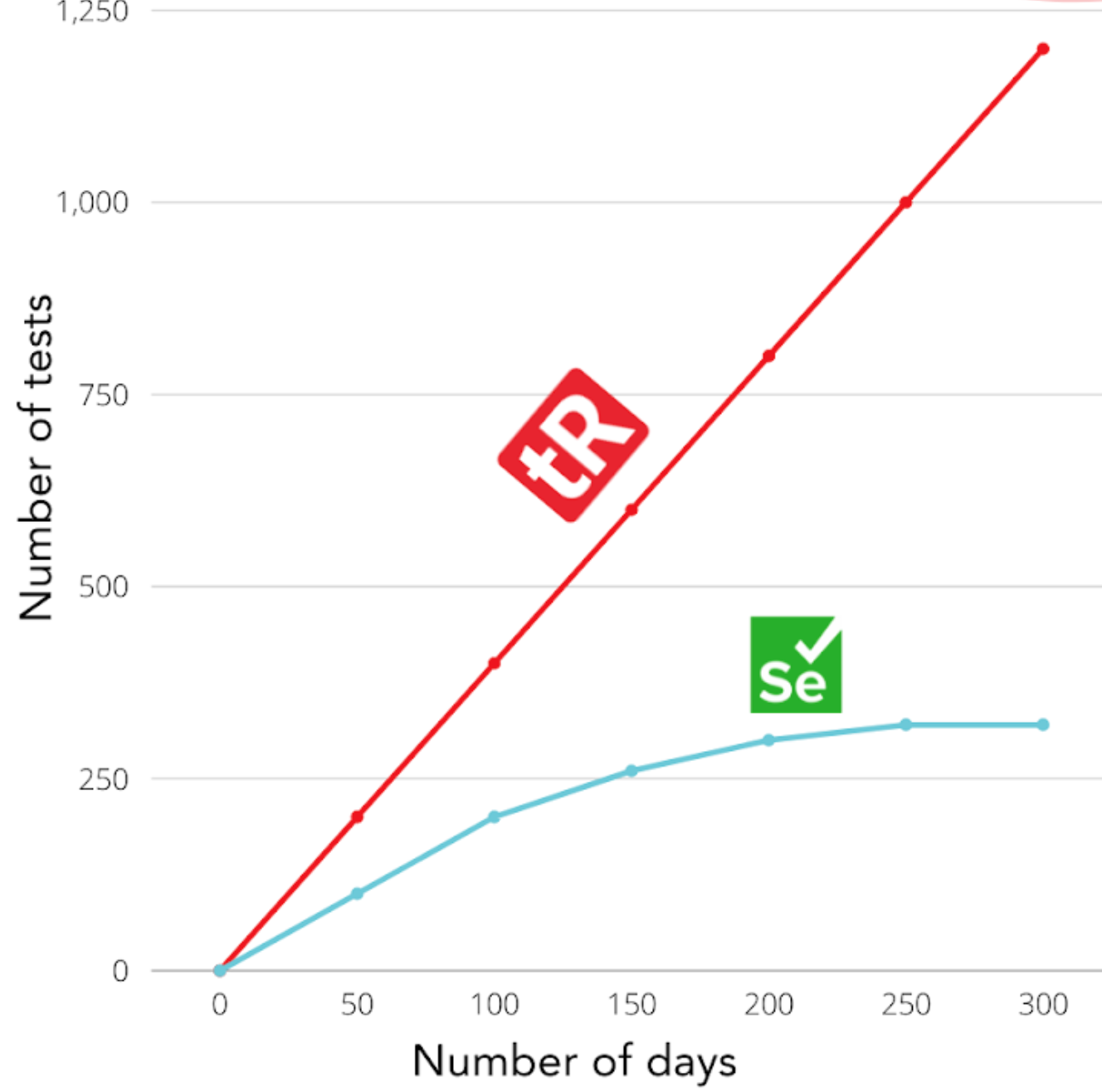
Test automation using plain English commands

Smart email management

131 AI copilots across legal, health, finance, and other fields

Baseball and softball swing analysis

AI agents for content and digital marketing

Automate financial operations with intelligent workflows
AI agents and automation models
Build and monitor AI agents for specific business tasks
AI analytics for Shopify stores

Test and optimize AI voice and chat agents at scale

AI virtual agents for customer service automation
Enterprise platform bridging people and systems
The category is broad enough that two tools can both be called agents while working very differently. Some agents are workflow-based, executing a fixed sequence of actions when triggered. Others are goal-directed, meaning they interpret a high-level objective and plan the steps themselves. The latter are more flexible but also less predictable, which matters if you are building a production system. Key things to evaluate: what tools or APIs the agent can access, how it handles errors and ambiguous states, and how much human oversight is built in. Memory and context length also differ significantly between products. For business users, agents that connect to existing SaaS tools (Slack, HubSpot, Jira) tend to deliver value faster than those requiring custom integrations. Pricing structures vary from per-task tokens to monthly platform fees.