
OpenAI Operator
autonomousChatGPT Pro's autonomous browser agent that navigates websites and fills forms on your behalf
AI agents are software systems that plan and execute multi-step tasks with minimal human input. Unlike single-function AI tools, agents reason over goals, use external tools, and loop until a task is complete. This category lists 485 tools, from business-process automation agents like Workativ to conversational agents built for customer support.
ChatGPT Pro's autonomous browser agent that navigates websites and fills forms on your behalf

Live chat and chatbot for customer service

AI assistant for workforce task automation

Unified platform for deploying AI models and tools

Build AI automations from prompts

Electronic signature and document signing

Customizable AI apps and workflows
AI support platform that handles 60% of tickets automatically

Automate B2B prospecting and outreach

Voice AI platform for enterprise call automation and phone support

AI customer support tool with automated responses

No-code AI platform for customer support

AI-driven sales outreach and conversion optimization

Role-specific dashboards and AI tools for better work

AI agent for Google Ads optimization

Conversational AI for engaging interactions

Manage everyday tasks with AI assistance

Automate tasks on iOS without interrupting your workflow

Manage the full content lifecycle from idea to distribution

AI research agent connected to crypto data sources
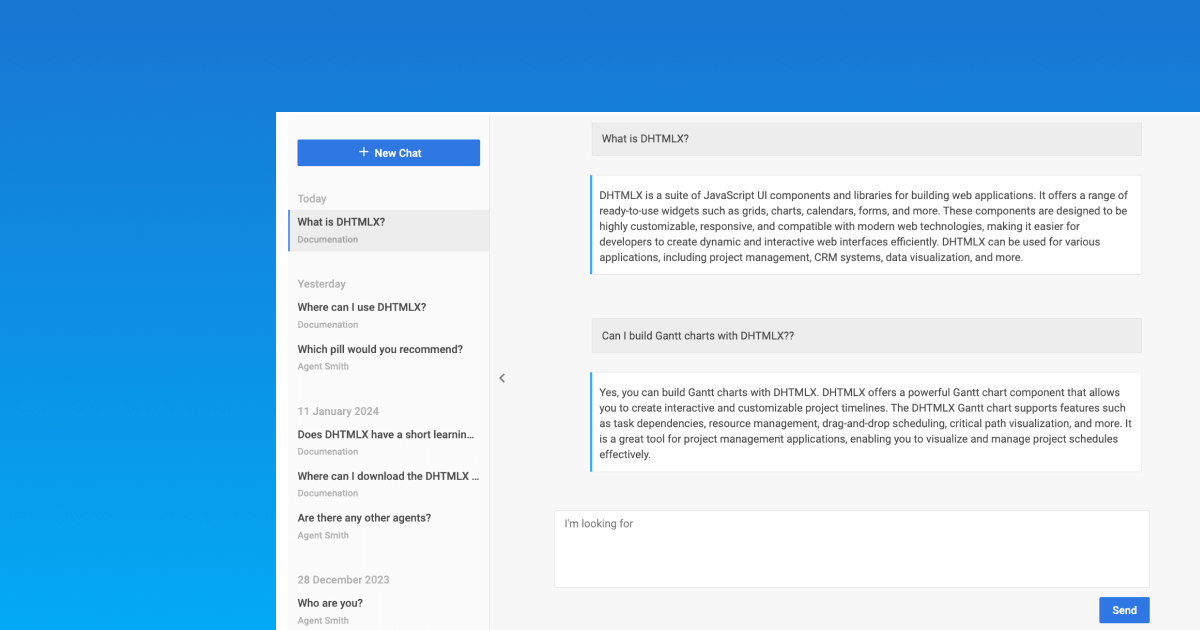
MIT-licensed JavaScript chatbot widget for support

Optimize cloud infrastructure with intelligent insights

Automated blog writing and publishing

Search your company knowledge base with AI
The category is broad enough that two tools can both be called agents while working very differently. Some agents are workflow-based, executing a fixed sequence of actions when triggered. Others are goal-directed, meaning they interpret a high-level objective and plan the steps themselves. The latter are more flexible but also less predictable, which matters if you are building a production system. Key things to evaluate: what tools or APIs the agent can access, how it handles errors and ambiguous states, and how much human oversight is built in. Memory and context length also differ significantly between products. For business users, agents that connect to existing SaaS tools (Slack, HubSpot, Jira) tend to deliver value faster than those requiring custom integrations. Pricing structures vary from per-task tokens to monthly platform fees.