
Humley
assistantsConversational AI for trusted answers
AI code tools assist with writing, testing, reviewing, and debugging software across a broad range of programming languages and environments. The 344 tools here include IDE integrations, web-based coding environments, specialized tools for data pipelines, and platforms for non-developers building internal apps.
Conversational AI for trusted answers

Build chatbots for voice and messaging

Chat with your data to find insights

Unified project management and CRM

AI testing for web and mobile apps

Reference codes for Midjourney style consistency

Free no-code RPA and desktop automation

No-code software for business processes

Infrastructure for turning expertise into branded AI products
Build and deploy mobile apps without coding

Creates artistic QR codes with AI technology
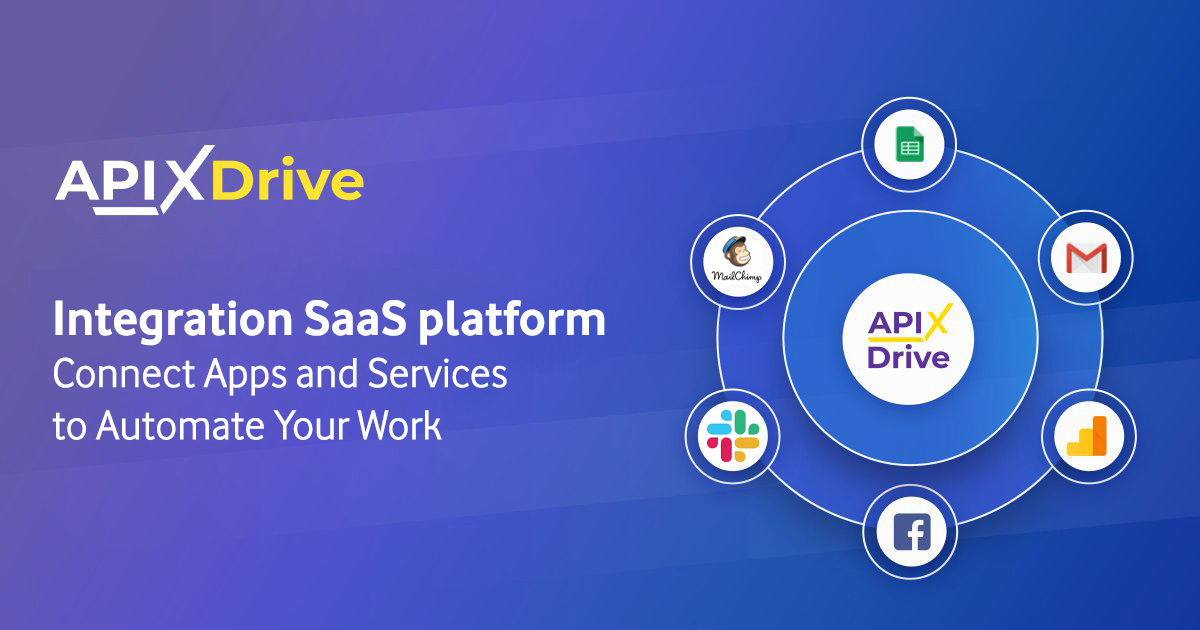
400+ pre-built integrations to automate routine tasks

Monitor AI coding agents and catch errors before production

Meeting scheduling

AI study platform with writing, math, and flashcards

Infrastructure for AI agents that run company workflows

Real-time coding feedback in Slack

Add AI chat to your website in minutes

Create an AI trading bot for crypto markets

Screen recording and video editing automation

AI products for healthcare and enterprise

Online betting platform with sports and casino games

Build professional AI apps and online businesses without coding

AI code analysis and vulnerability detection
The category is wide and includes tools that serve very different audiences. Experienced developers typically want tools that integrate into their existing editor and support their specific language stack well. Teams may prefer tools with collaboration features, shared context, and audit logging. Non-developers building internal tools are better served by visual or low-code platforms like Dynaboard AI. Bug-fixing tools like FixThisBug.de focus on a narrow but high-value task. Code review and quality tools like GitRoll and Relicx focus on testing and reliability rather than generation. When comparing tools, practical benchmarks on your own codebase outperform general capability claims. Also consider how the tool handles context: tools with larger context windows handle full-file and multi-file edits more reliably. Security considerations include whether your code leaves your environment and under what terms it may be used to train future models.