
ClipLab
generalTransform story ideas into short-form videos
General LLM tools include frameworks, APIs, evaluation utilities, and infrastructure specifically built around large language models. This category covers 369 tools that help developers build, test, fine-tune, and run applications on top of LLMs, from embedding calculators to full model-serving platforms.
Transform story ideas into short-form videos
Fast audio and video transcription to text

Collaborative writing app with AI help
AI marketing team for e-commerce stores
Learn Japanese numbers, grammar, and conversational meaning

Rewrite text to be completely original
AI image editing with style transfer and contextual modifications
![[OFFICIAL] TextGo AI Humanizer logo](https://www.textgo.ai/images/favicon.png)
Make AI text bypass detection tools
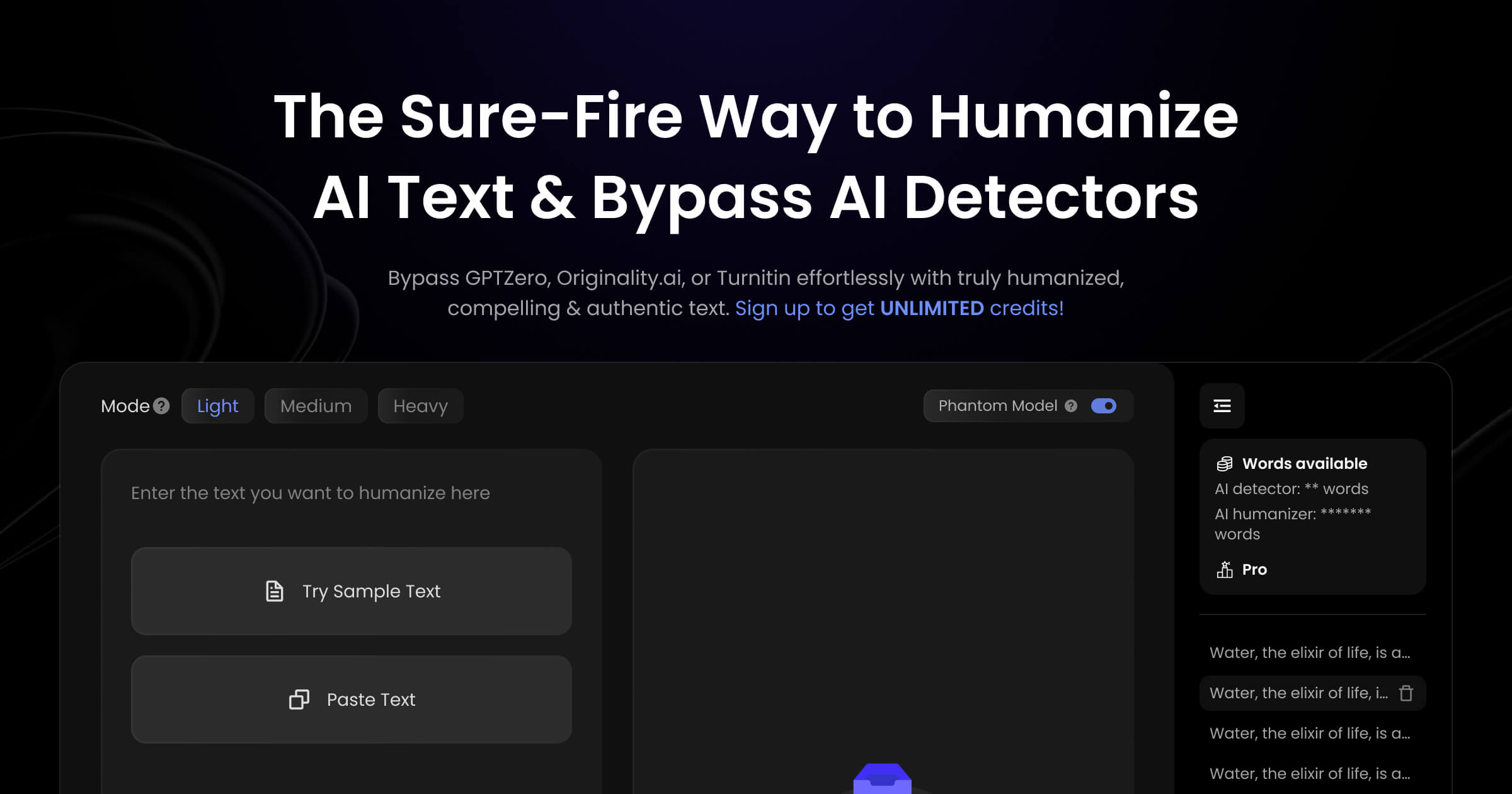
Humanize AI text for free without signup
Transform complex ideas into consistent educational videos
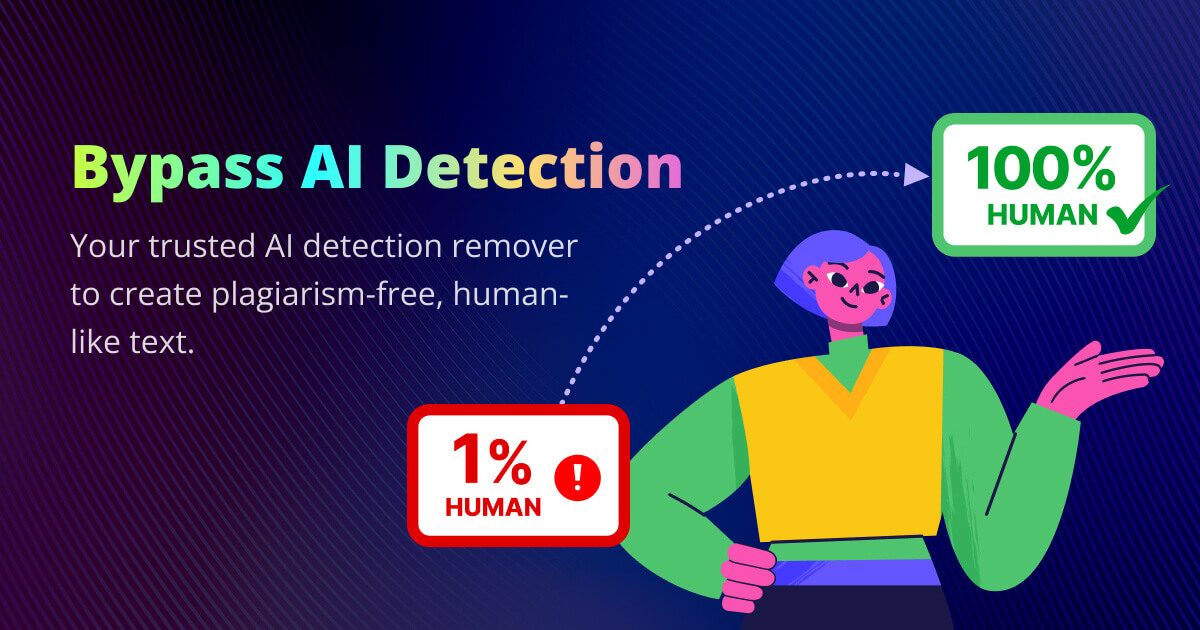
Check for AI content and remove detection markers

Free tools for PDF, images, YouTube, and online utilities

Summarize web links into bullets and key quotes

Check if content was written by AI or humans
Generate free printable coloring pages with AI
Convert text descriptions into full songs
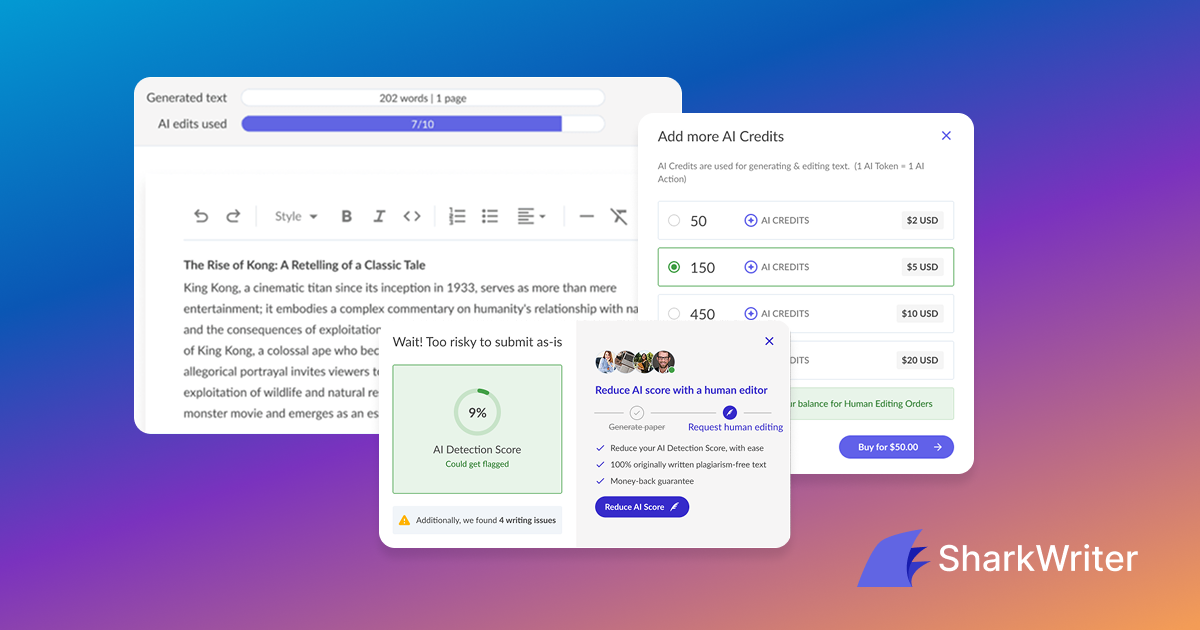
AI tool to write and edit college essays
Text to speech in over 20 languages

Copywriting tool with advanced formatting and styling

Generate original music, vocals, and lyrics from text
AI-powered text-to-speech with natural-sounding output

Browse and book tickets for upcoming events

Send SMS reminders before meetings to reduce no-shows

Convert text into short videos for YouTube and social media
This is a technically focused category aimed primarily at developers and ML engineers. Tools like Cognee and UpTrain address retrieval-augmented generation (RAG) pipelines and model evaluation, while platforms like Dstack and PeriFlow handle compute infrastructure for training and inference. Embedding Similarity Calculator and similar utilities fill narrow but useful gaps in LLM development workflows. OpenAssistant and Cerebras-GPT represent open-source or open-weight models that developers can run or fine-tune directly. When comparing options, consider whether a tool is model-agnostic or tied to a specific provider, and whether it supports the models you are already using. Latency, throughput, and cost-per-token are the metrics that matter most for production workloads. Evaluation tools are often underinvested in early projects but become critical once you are shipping to users. Many tools here are open source with paid managed versions, while others are closed SaaS products with usage-based pricing.