
Prompt Selected
generalBrowser extension for AI-powered text tasks
General LLM tools include frameworks, APIs, evaluation utilities, and infrastructure specifically built around large language models. This category covers 369 tools that help developers build, test, fine-tune, and run applications on top of LLMs, from embedding calculators to full model-serving platforms.
Browser extension for AI-powered text tasks
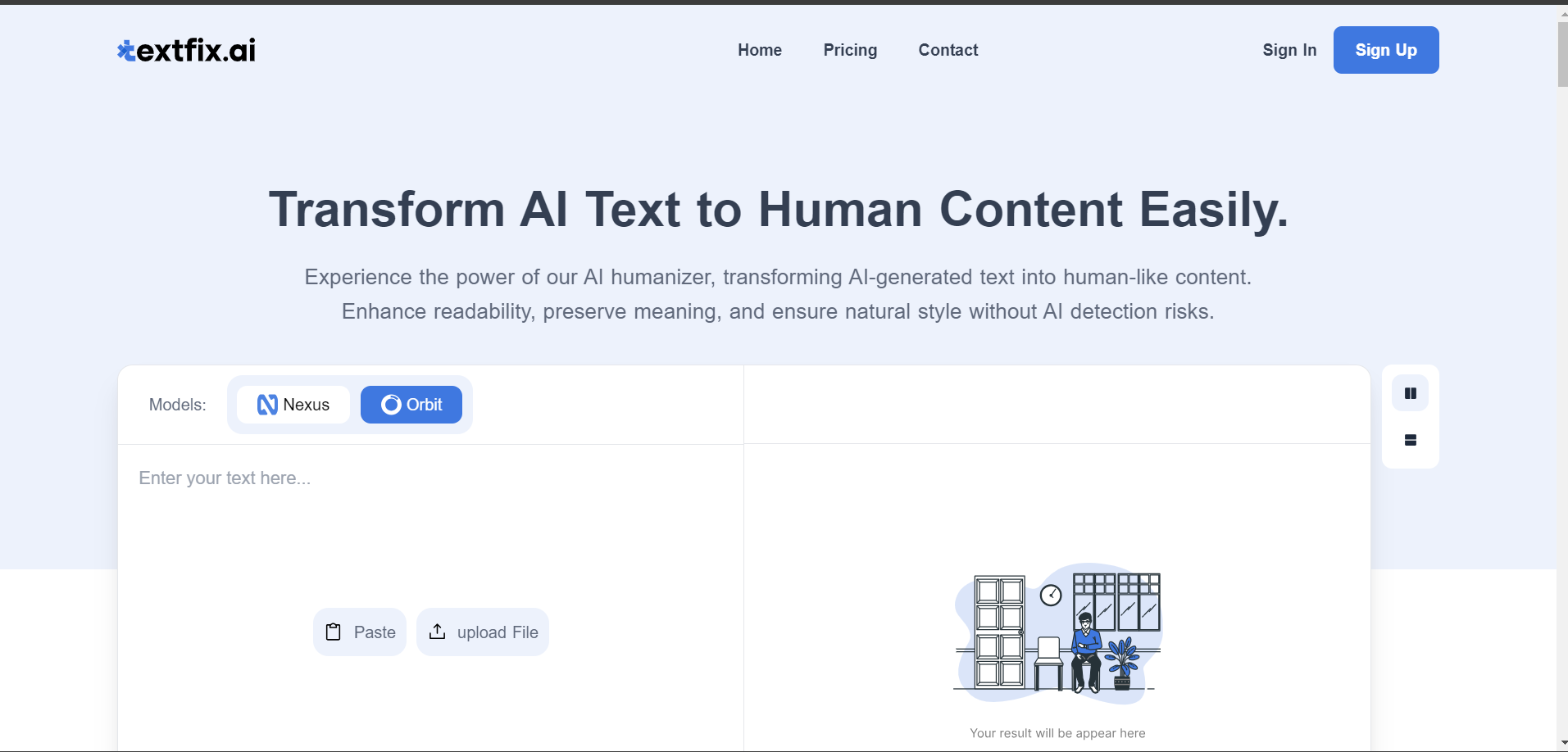
Humanize AI writing to sound natural

Guide to using AI tools for content creation
Extract text from images and scanned documents

Speech to text for emails and documents on macOS

Live soccer scores and match schedules
Email client as simple as text messaging
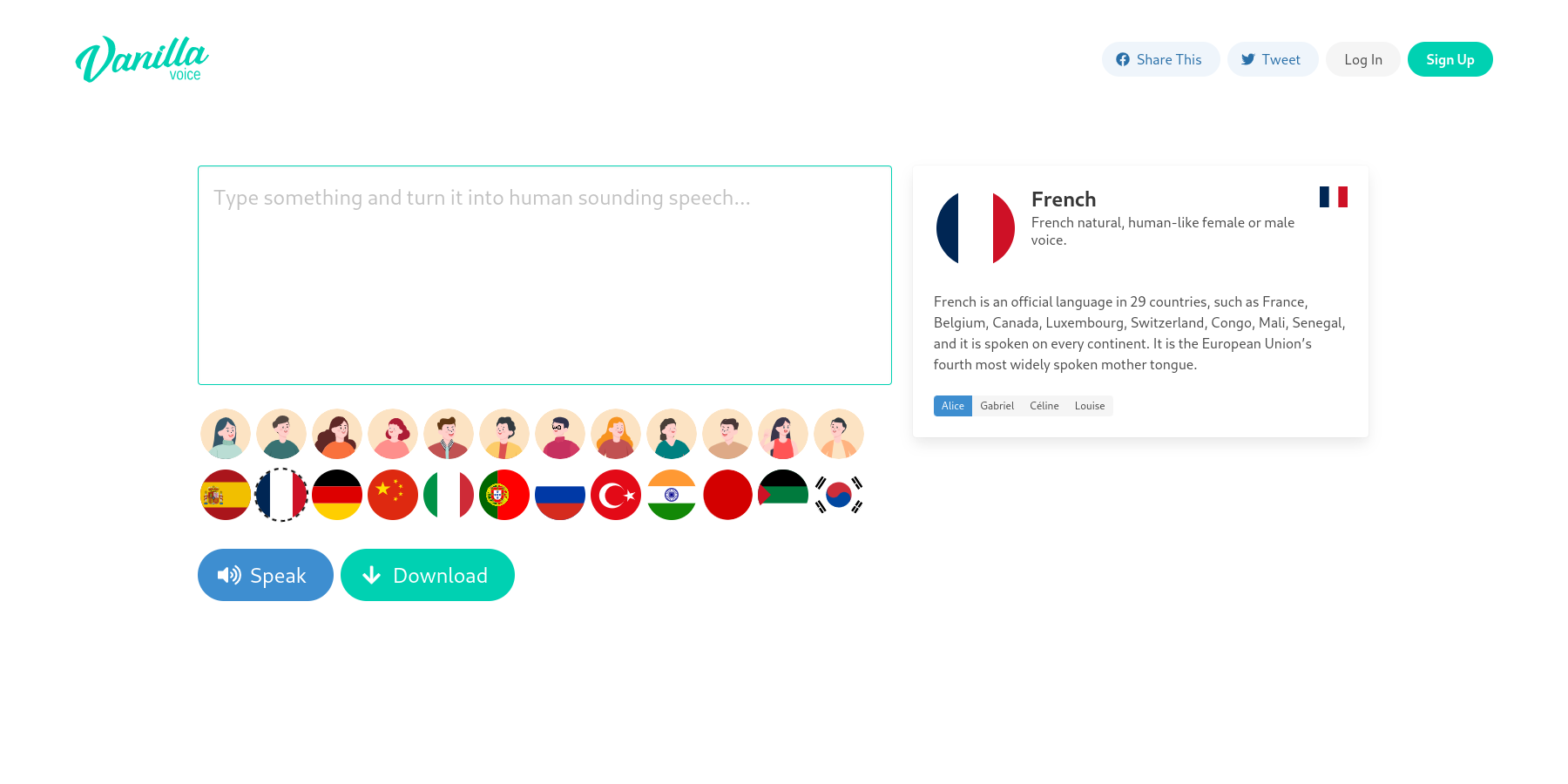
Free text to speech with natural-sounding voices

Free online tool that translates text from images to English or other languages

Converts and formats AI-generated text for readability and usability

AI photo studio that creates professional product photos from simple images

AI video generator that creates realistic videos from text and image prompts

Convert handwritten documents to digital text

Convert text and images to professional videos

Convert handwritten notes to searchable text

Shorten text while preserving meaning and voice

Generate blog posts and social media content

Feature flagging with rollout controls and auto-rollback

Website hosting and blogging service

One-tap clipboard manager for Apple devices

Web platform for creating with AI models

AI writing tool for marketing copy and blogs
Headless CMS for Next.js applications

Free text-to-speech synthesis with natural speech
This is a technically focused category aimed primarily at developers and ML engineers. Tools like Cognee and UpTrain address retrieval-augmented generation (RAG) pipelines and model evaluation, while platforms like Dstack and PeriFlow handle compute infrastructure for training and inference. Embedding Similarity Calculator and similar utilities fill narrow but useful gaps in LLM development workflows. OpenAssistant and Cerebras-GPT represent open-source or open-weight models that developers can run or fine-tune directly. When comparing options, consider whether a tool is model-agnostic or tied to a specific provider, and whether it supports the models you are already using. Latency, throughput, and cost-per-token are the metrics that matter most for production workloads. Evaluation tools are often underinvested in early projects but become critical once you are shipping to users. Many tools here are open source with paid managed versions, while others are closed SaaS products with usage-based pricing.