
The portfolio website builder for photographers, artists and designers
generalPortfolio platform with galleries and zero-commission sales
This category covers tools built around large language models: infrastructure for deploying, fine-tuning, evaluating, and monitoring LLMs in production. With 369 tools listed, it is one of the more technical categories on the site, aimed primarily at developers and ML engineers rather than end users.
Portfolio platform with galleries and zero-commission sales

Generate unique text for blogs, marketing, and writing projects

AI-powered ad creation with optimization for conversions

Write essays and homework with AI assistance

AI marketing content and campaign management

Generate story branches and plot ideas

Generate product requirement documents instantly

Handwriting and math OCR

Automatically write and publish SEO blog posts

Voice cloning and text-to-speech on a pay-as-you-go model
Convert audio and video to text

Free browser tool to place text behind images for social media
Generate manga pages from story descriptions
Chrome extension for text-to-speech, speech-to-text, and dictation

AI-assisted investment platform with automated savings and tax features
Blueprint for converting videos and podcasts into books

Free video chat with random people
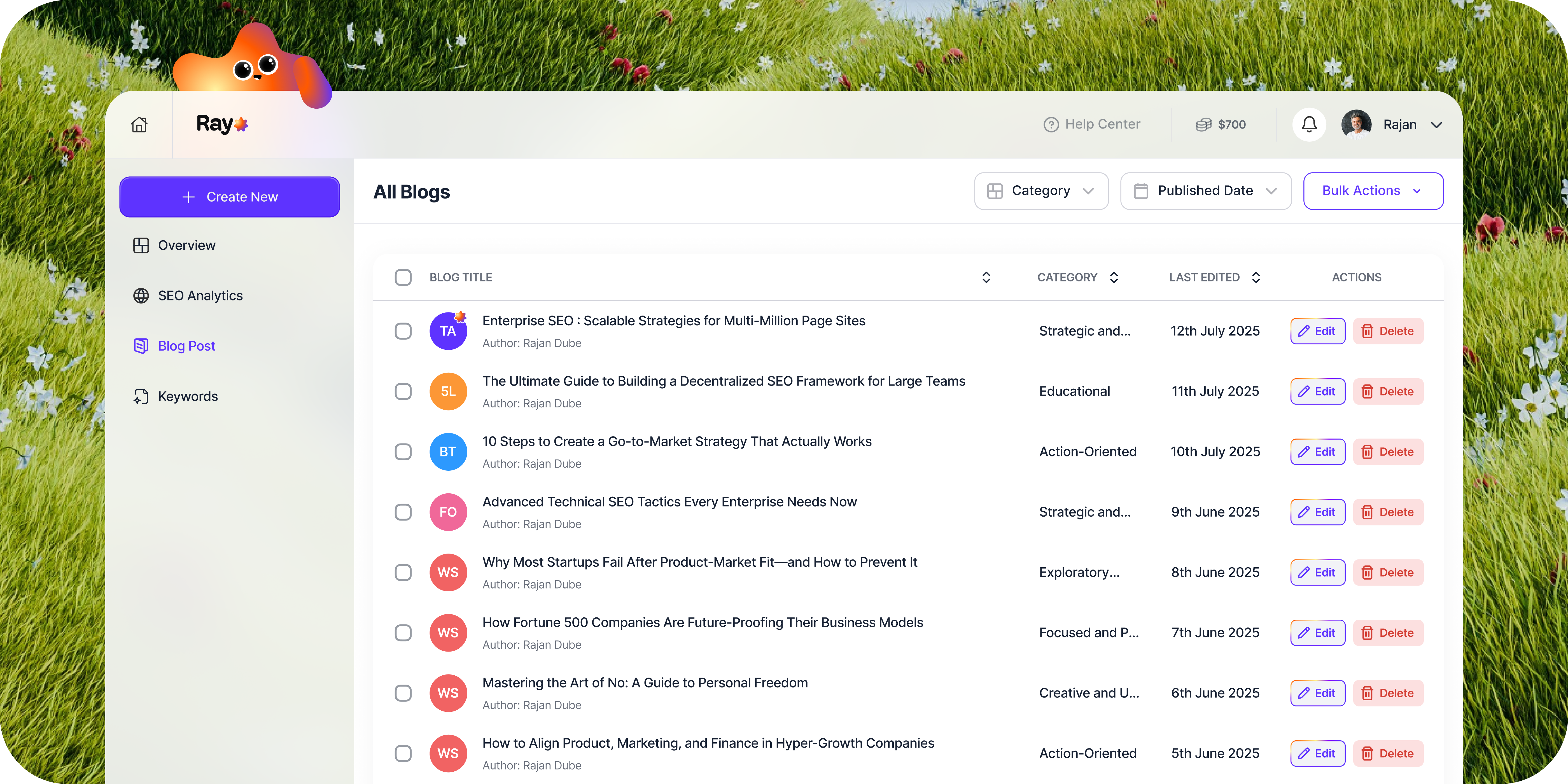
Free AI blog writing tool
Generate SEO-friendly alt text for images automatically

SvelteKit and TypeScript starter for SaaS apps
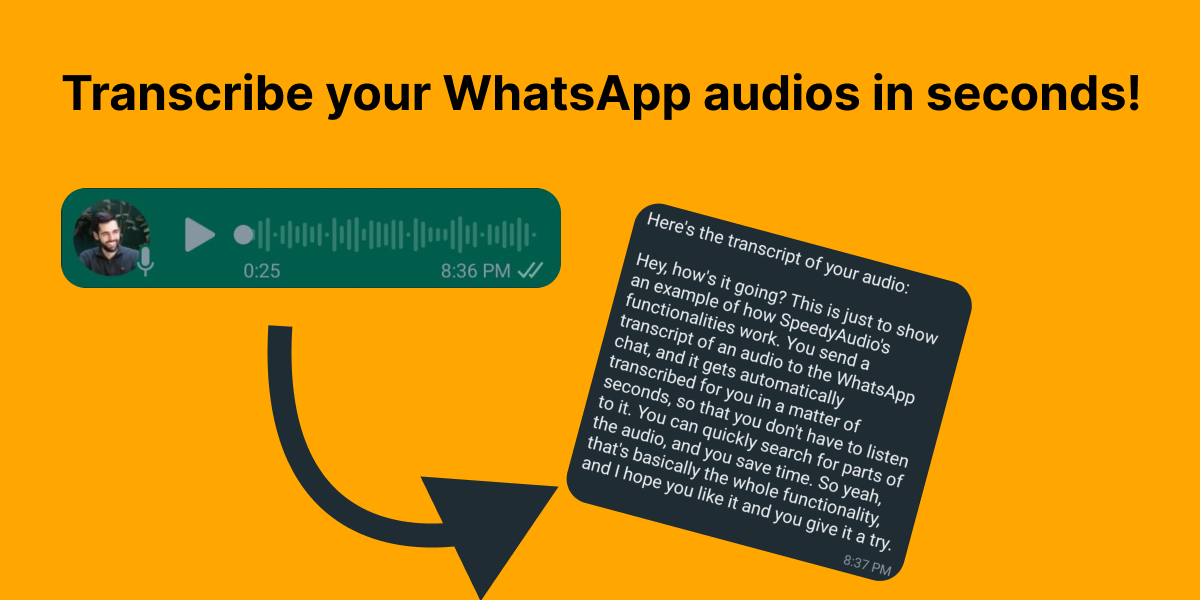
Convert WhatsApp audio messages to text
AI image editing with style transfer and contextual modifications
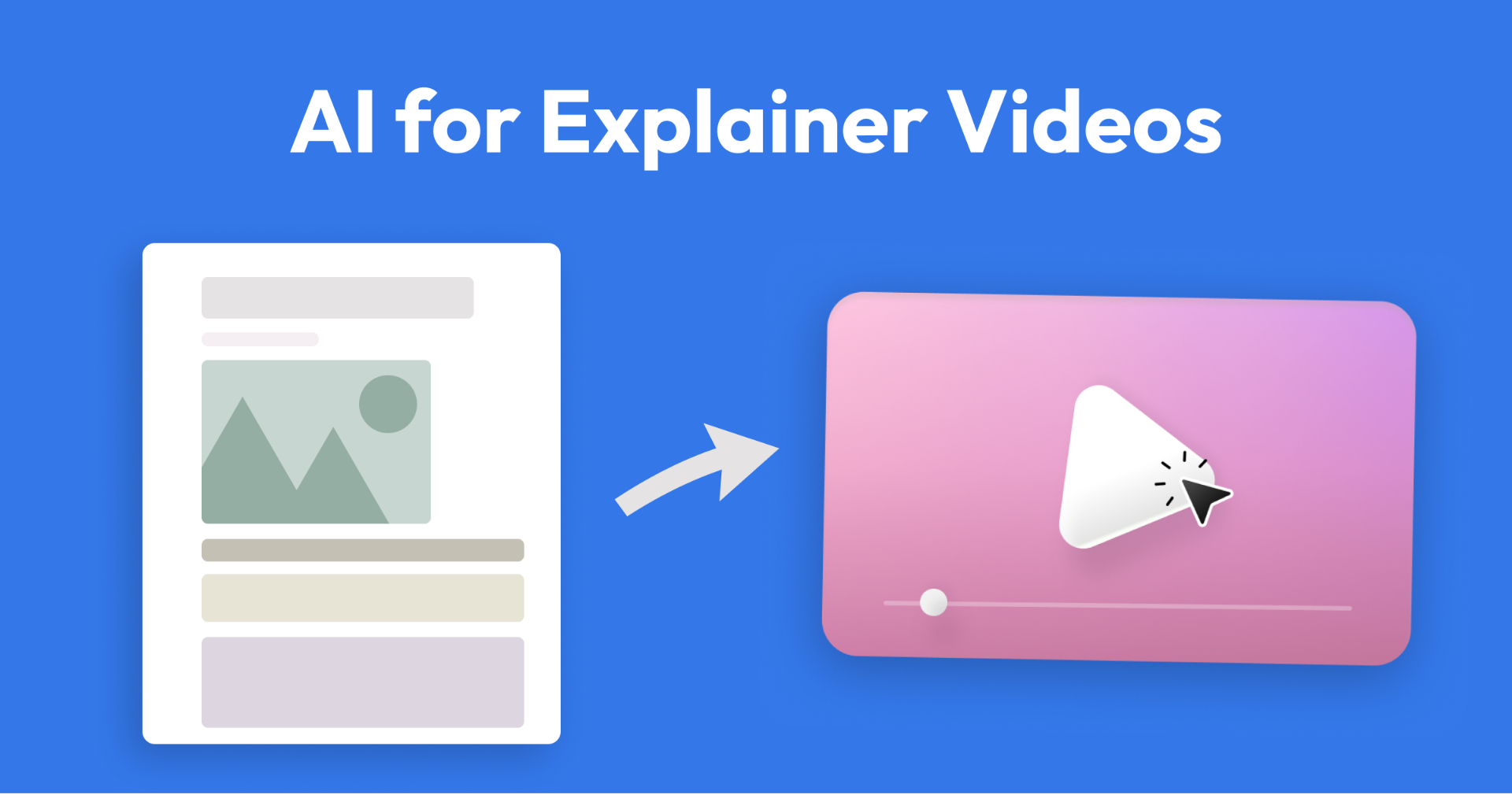
Transform complex ideas into consistent educational videos

Check if content was written by AI or humans
LLM tooling has exploded alongside the models themselves, and the category now spans several distinct problem areas. Deployment and serving tools like PeriFlow and Dstack help teams run models efficiently at scale. Evaluation and observability tools like UpTrain and AIWatch track model quality, drift, and cost over time. Memory and retrieval tools like Cognee add persistent context or RAG capabilities to LLM applications. When choosing, the key questions are infrastructure fit (cloud, on-prem, or hybrid), model compatibility (OpenAI-only vs. open-weight models), and whether the tool addresses your actual bottleneck, whether that is latency, cost, accuracy, or developer velocity. Pricing structures vary: some tools charge per token processed, others per seat or per API call. Open-source options exist across most sub-categories, which is worth considering for teams with engineering capacity to self-host.