
Riffusion
generalGenerative AI for creating and remixing music
This category covers tools built around large language models: infrastructure for deploying, fine-tuning, evaluating, and monitoring LLMs in production. With 369 tools listed, it is one of the more technical categories on the site, aimed primarily at developers and ML engineers rather than end users.
Generative AI for creating and remixing music

Convert AI text to natural, human-like writing

Generate Excel formulas and analyze spreadsheets without coding

Long-form writing editor for storytellers

Convert video to 3D animation instantly

Free AI sound effect generator from text

Generate unique text for blogs, marketing, and writing projects

Generate short videos from text prompts

Create videos from text prompts

Writing assistant for authors and novelists

Upscale photos and create images from descriptions
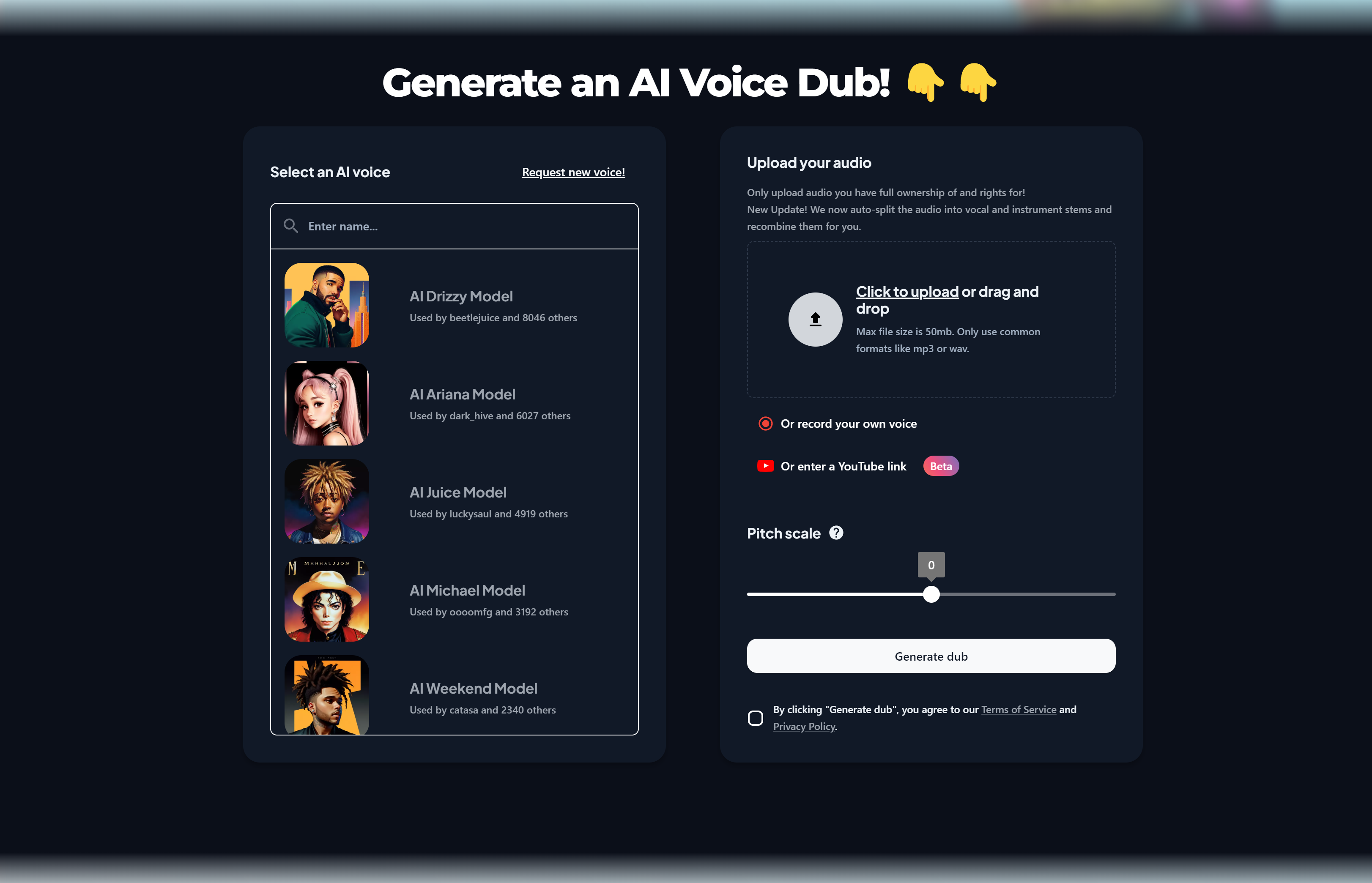
AI voice covers for songs with 10,000+ voices

Chat interface to automate tasks in apps

Generate story branches and plot ideas

SMS automation for local businesses

Transform images into videos with AI

Handwriting and math OCR

Automatically write and publish SEO blog posts

Generate story outlines and full narratives from prompts

Rewrite AI text to read human-written

Convert articles and text to video
Extract text from images and scanned docs

AI-powered writing and productivity tools

Online gaming platform
LLM tooling has exploded alongside the models themselves, and the category now spans several distinct problem areas. Deployment and serving tools like PeriFlow and Dstack help teams run models efficiently at scale. Evaluation and observability tools like UpTrain and AIWatch track model quality, drift, and cost over time. Memory and retrieval tools like Cognee add persistent context or RAG capabilities to LLM applications. When choosing, the key questions are infrastructure fit (cloud, on-prem, or hybrid), model compatibility (OpenAI-only vs. open-weight models), and whether the tool addresses your actual bottleneck, whether that is latency, cost, accuracy, or developer velocity. Pricing structures vary: some tools charge per token processed, others per seat or per API call. Open-source options exist across most sub-categories, which is worth considering for teams with engineering capacity to self-host.