
DeepSeek
generalOpen-weight LLMs including a 671B MoE model that matches GPT-4o at far lower API cost
This category covers tools built around large language models: infrastructure for deploying, fine-tuning, evaluating, and monitoring LLMs in production. With 369 tools listed, it is one of the more technical categories on the site, aimed primarily at developers and ML engineers rather than end users.
Open-weight LLMs including a 671B MoE model that matches GPT-4o at far lower API cost

Create slides from text instantly

Long-form writing editor for storytellers

Convert video to 3D animation instantly

Extract text from images with OCR

Generate Anki flashcards from study materials

Create and schedule AI photos, videos, and voiceovers

Text-to-podcast tool with 120+ AI voices and natural conversations in multiple languages

Rewrite AI text to bypass detection

Humanize AI text to bypass detection

AI video generation

Directory of AI video creation tools with workflows

Canned responses and text shortcuts for support teams

Convert AI-generated text to human-sounding writing
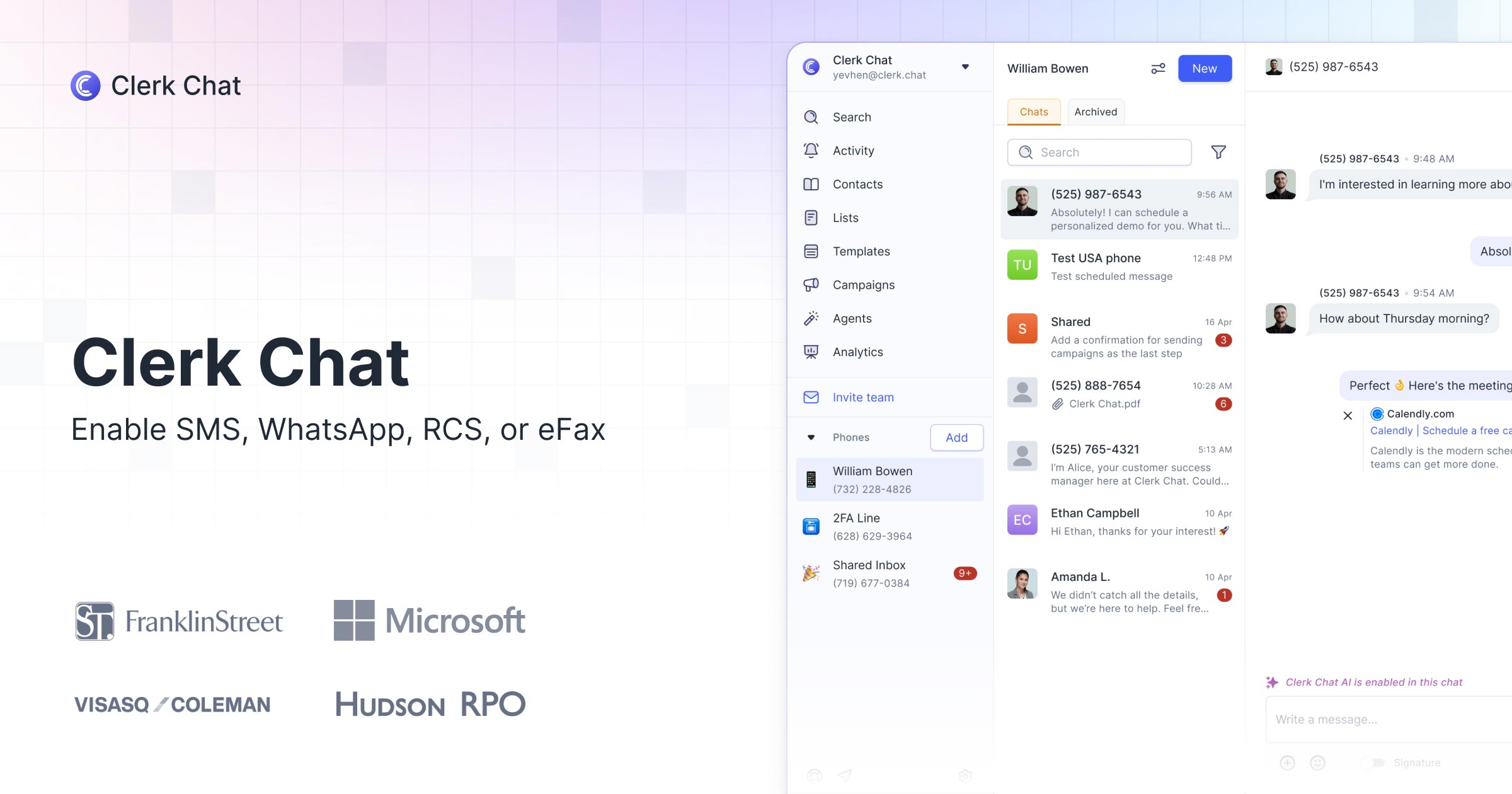
SMS, WhatsApp, and voice agents for Microsoft Teams

Professional plagiarism detection for text

Convert PDFs into TikTok-style study videos
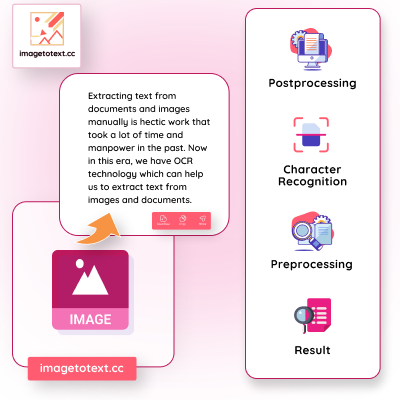
Extract text from images, documents, and screenshots

Text-to-speech, voice-to-text, and translation

Create custom emojis with AI

Voice-to-text dictation and transcription

AI landing page builder for marketers

Collaborative writing app with AI help
![[OFFICIAL] TextGo AI Humanizer logo](https://www.textgo.ai/images/favicon.png)
Make AI text bypass detection tools
LLM tooling has exploded alongside the models themselves, and the category now spans several distinct problem areas. Deployment and serving tools like PeriFlow and Dstack help teams run models efficiently at scale. Evaluation and observability tools like UpTrain and AIWatch track model quality, drift, and cost over time. Memory and retrieval tools like Cognee add persistent context or RAG capabilities to LLM applications. When choosing, the key questions are infrastructure fit (cloud, on-prem, or hybrid), model compatibility (OpenAI-only vs. open-weight models), and whether the tool addresses your actual bottleneck, whether that is latency, cost, accuracy, or developer velocity. Pricing structures vary: some tools charge per token processed, others per seat or per API call. Open-source options exist across most sub-categories, which is worth considering for teams with engineering capacity to self-host.