
Prompt Selected
generalBrowser extension for AI-powered text tasks
This category covers tools built around large language models: infrastructure for deploying, fine-tuning, evaluating, and monitoring LLMs in production. With 369 tools listed, it is one of the more technical categories on the site, aimed primarily at developers and ML engineers rather than end users.
Browser extension for AI-powered text tasks
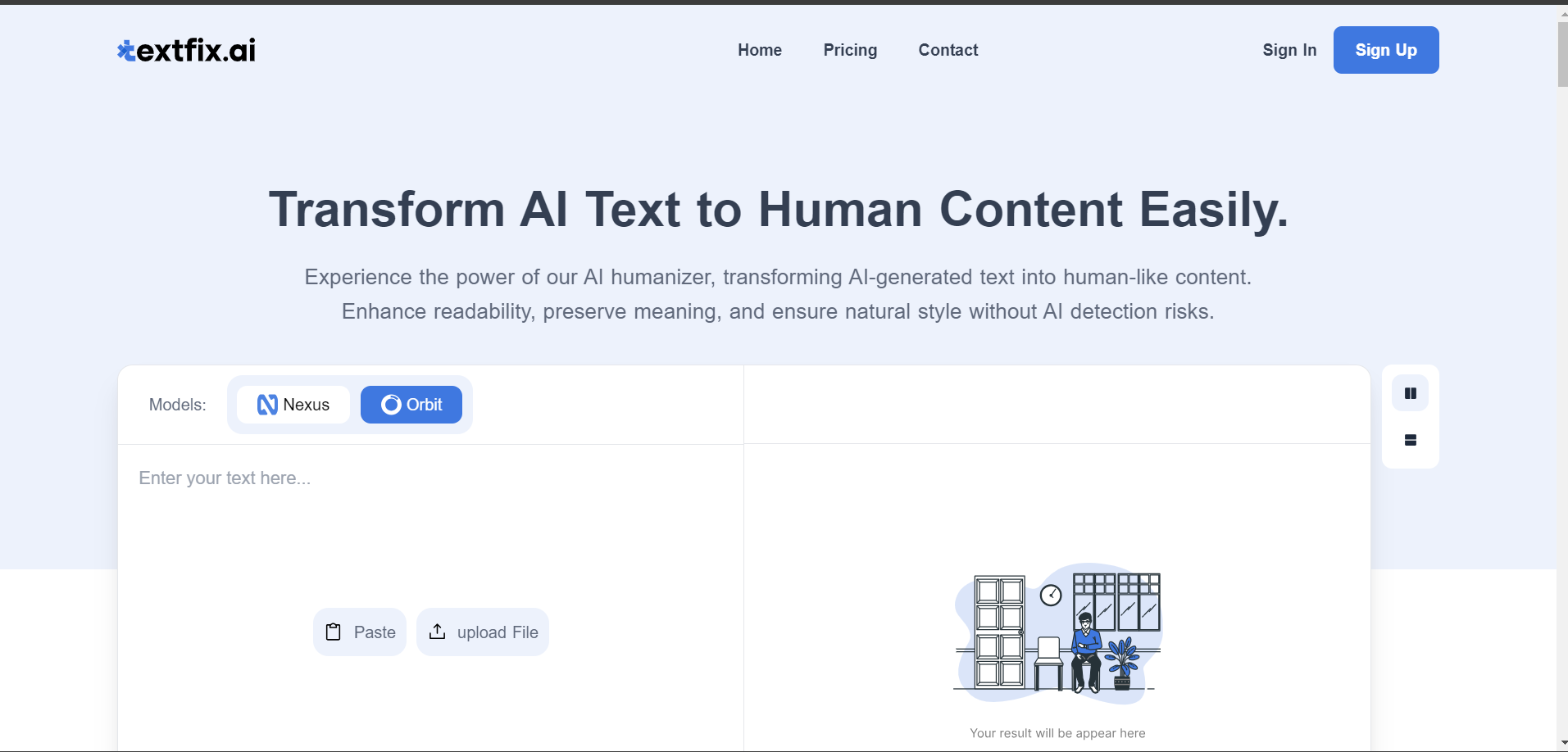
Humanize AI writing to sound natural

Guide to using AI tools for content creation
Extract text from images and scanned documents

Speech to text for emails and documents on macOS

Live soccer scores and match schedules
Email client as simple as text messaging
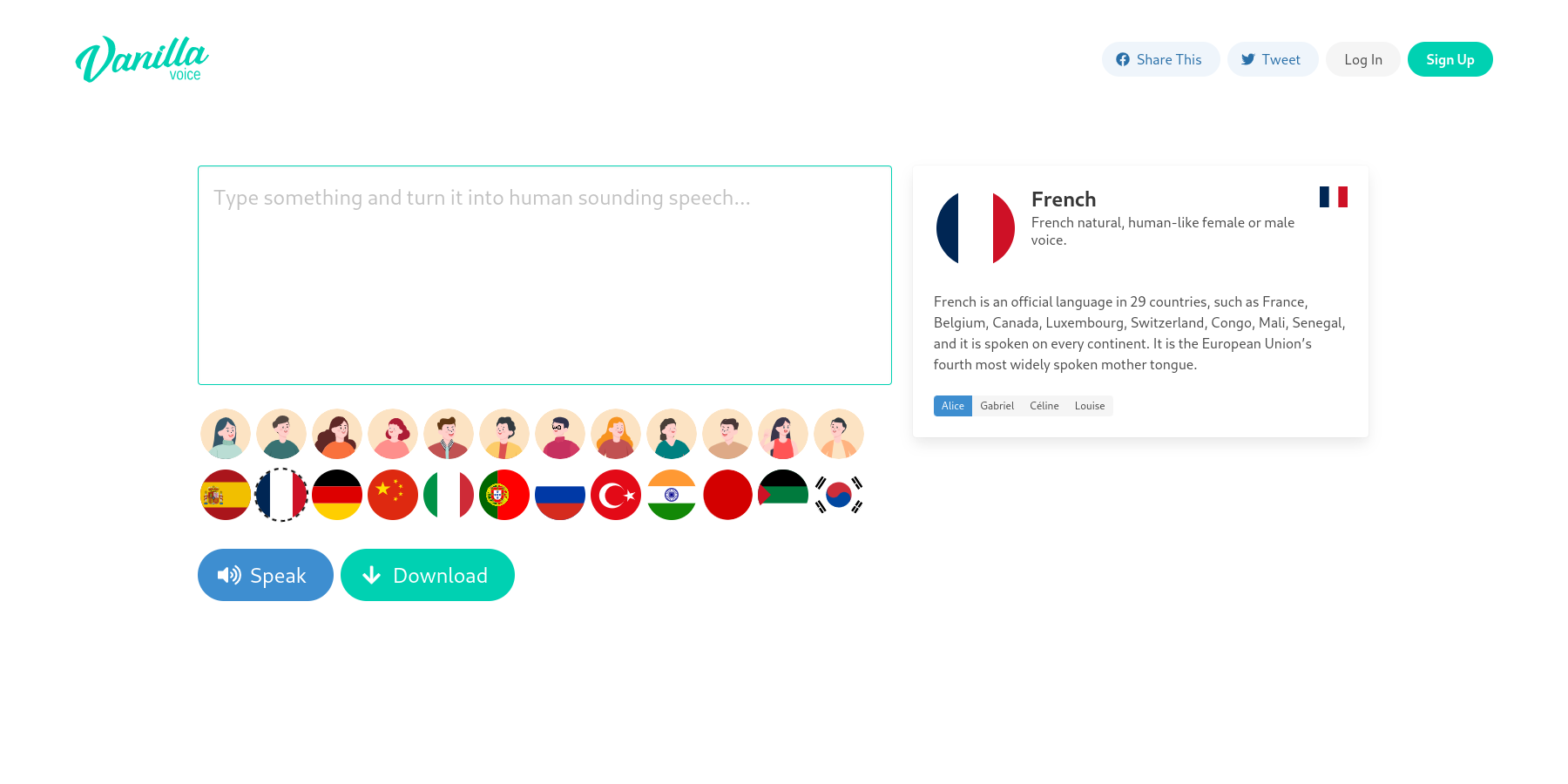
Free text to speech with natural-sounding voices

Free online tool that translates text from images to English or other languages

Converts and formats AI-generated text for readability and usability

AI photo studio that creates professional product photos from simple images

AI video generator that creates realistic videos from text and image prompts

Convert handwritten documents to digital text

Convert text and images to professional videos

Convert handwritten notes to searchable text

Shorten text while preserving meaning and voice

Generate blog posts and social media content

Feature flagging with rollout controls and auto-rollback

Website hosting and blogging service

One-tap clipboard manager for Apple devices

Web platform for creating with AI models

AI writing tool for marketing copy and blogs
Headless CMS for Next.js applications
Free text-to-speech synthesis with natural speech
LLM tooling has exploded alongside the models themselves, and the category now spans several distinct problem areas. Deployment and serving tools like PeriFlow and Dstack help teams run models efficiently at scale. Evaluation and observability tools like UpTrain and AIWatch track model quality, drift, and cost over time. Memory and retrieval tools like Cognee add persistent context or RAG capabilities to LLM applications. When choosing, the key questions are infrastructure fit (cloud, on-prem, or hybrid), model compatibility (OpenAI-only vs. open-weight models), and whether the tool addresses your actual bottleneck, whether that is latency, cost, accuracy, or developer velocity. Pricing structures vary: some tools charge per token processed, others per seat or per API call. Open-source options exist across most sub-categories, which is worth considering for teams with engineering capacity to self-host.