

Pros & cons
Our analysisPros
- No vendor lock-in by design
- Free tier available
- API access included
- Runs on desktop without coding
- Production-ready output
Cons
- No listed integrations
- Desktop-only platform
- Pricing details not disclosed
What users say
WeWeb is commonly used for building production-grade web applications without writing code. A frequently noted strength is its explicit focus on avoiding vendor lock-in, which appeals to teams with long-term platform concerns. A common limitation is the lack of documented third-party integrations, which may require custom API connections for complex workflows.
Editorial summary based on public information.
Best for
Non-technical teams building production web apps without lock-in
Manually choose competitor  WeWeb
WeWeb
 Cursor
 Lovable
 Weesify
 Databar.ai
 Momen AI
 Coder
Coder NodeCodeStudio
 Cruderra
| Feature | WeWeb | Cursor |
|---|---|---|
| Pricing | Free | Freemium |
| Price from | — | $20/mo |
| Free tier | Yes | Yes |
| API | Yes | Yes |
| Open source | Yes | No |
| Platforms | Desktop | Browser Extension |
| Models | Weweb | Cursor |
| Context window | 1M | 128k |
| Launched | 2025 | 2024 |
| Integrations | — | Slack, GitHub |
Top alternatives to WeWeb
See all alternatives → Cursor
VS Code-based editor with deep AI chat and project-wide code understanding
Lovable
Build full-stack apps by describing them in plain text
Weesify
All-in-one link, content, and QR code tools
Databar.ai
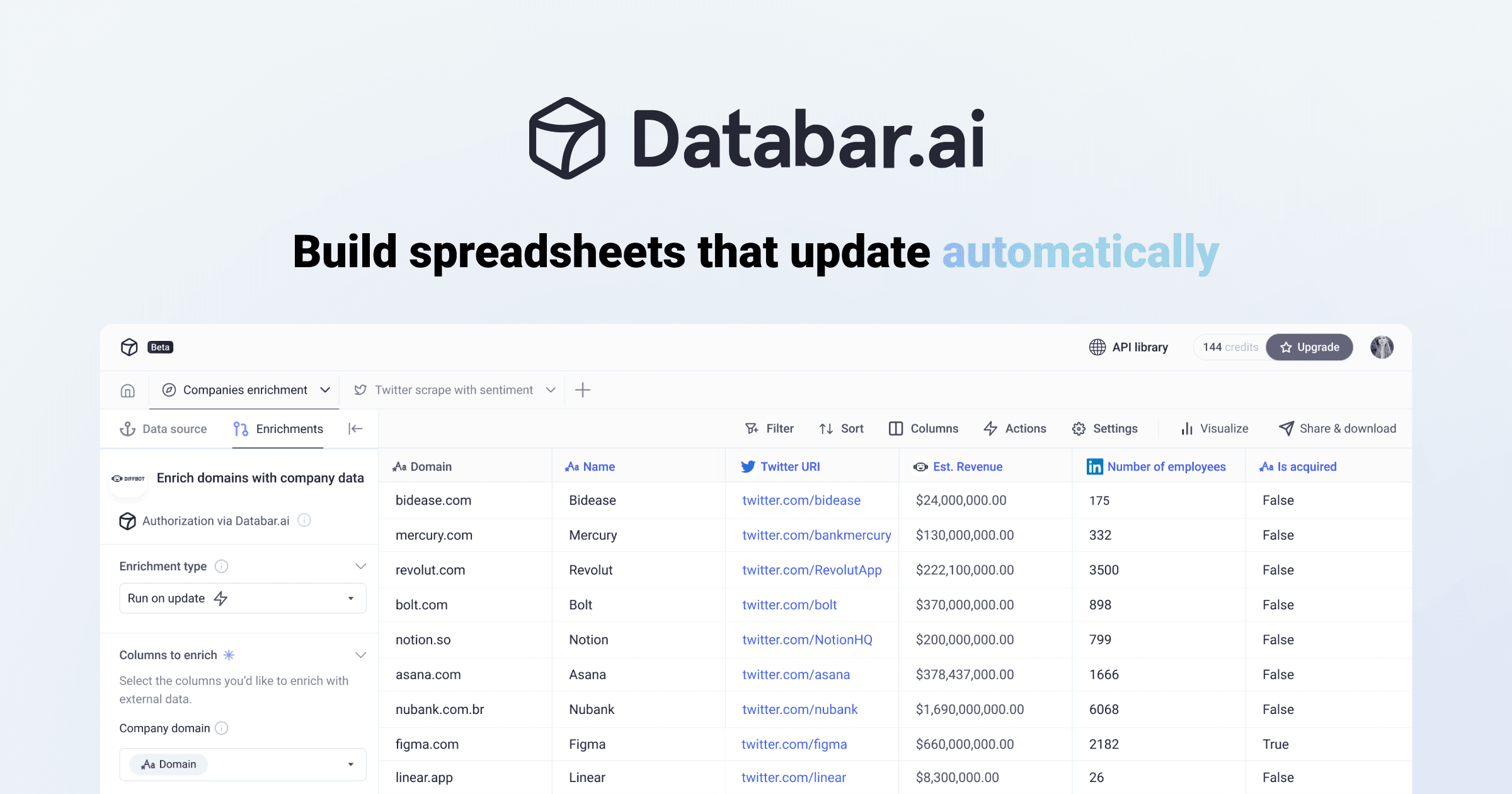
Enrich CRM data with 100+ verified sources

Momen AI
No-code platform for building and deploying web applications

Coder
Run AI coding agents in a secure, controlled environment
Specs
| Pricing | Free |
|---|---|
| Free tier | Yes |
| API | Yes |
| Open source | Yes |
| Platforms | Desktop |
| Models | Weweb |
| Context window | 1M |
| Launched | 2025 |