

Pros & cons
Our analysisPros
- Access to 150+ data sources
- AI research agents automate enrichment
- Integrates with LinkedIn, Salesforce, and Gong
- Free tier available
Cons
- No API access
- Browser extension format limits standalone use
- Complex data workflows may require onboarding
What users say
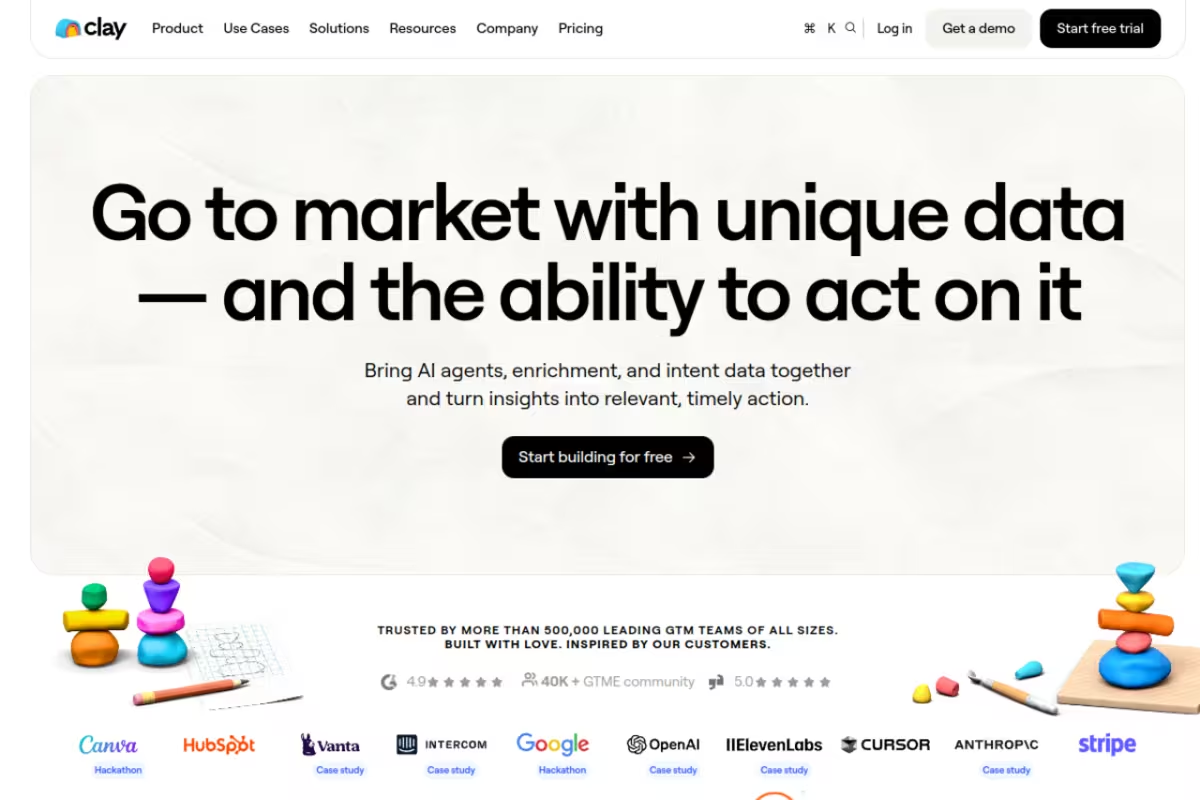
Clay is commonly used by go-to-market teams that need to aggregate and enrich contact data from multiple premium sources in a single workflow. A frequently noted strength is the breadth of 150+ integrated data providers combined with AI agents that automate research tasks. A common limitation is the absence of an API, which restricts programmatic access for engineering-led teams.
Editorial summary based on public information.
Best for
Revenue and growth teams enriching leads with multi-source data
Manually choose competitor  Clay
Clay
 Coval
Coval Treblle
 Zapier OpenAI Integrations
 INSINTO
 StateSet
 Nexal AI
 Marketer
| Feature | Clay | Adaapt.AI |
|---|---|---|
| Pricing | Free | Paid |
| Free tier | Yes | No |
| API | No | Yes |
| Open source | Yes | No |
| Platforms | Browser Extension | API |
| Models | Clay | Adaapt |
| Context window | 1M | — |
| Launched | 2024 | 2023 |
| Integrations | LinkedIn, Meta, Google +3 more | — |
Top alternatives to Clay
See all alternatives →Adaapt.AI
Enterprise platform bridging people and systems

Coval
Test and optimize AI voice and chat agents at scale
Treblle
Real-time API security threat detection
Zapier OpenAI Integrations
Workflow automation platform with built-in OpenAI integration
INSINTO
AI assistant for small business operations
StateSet
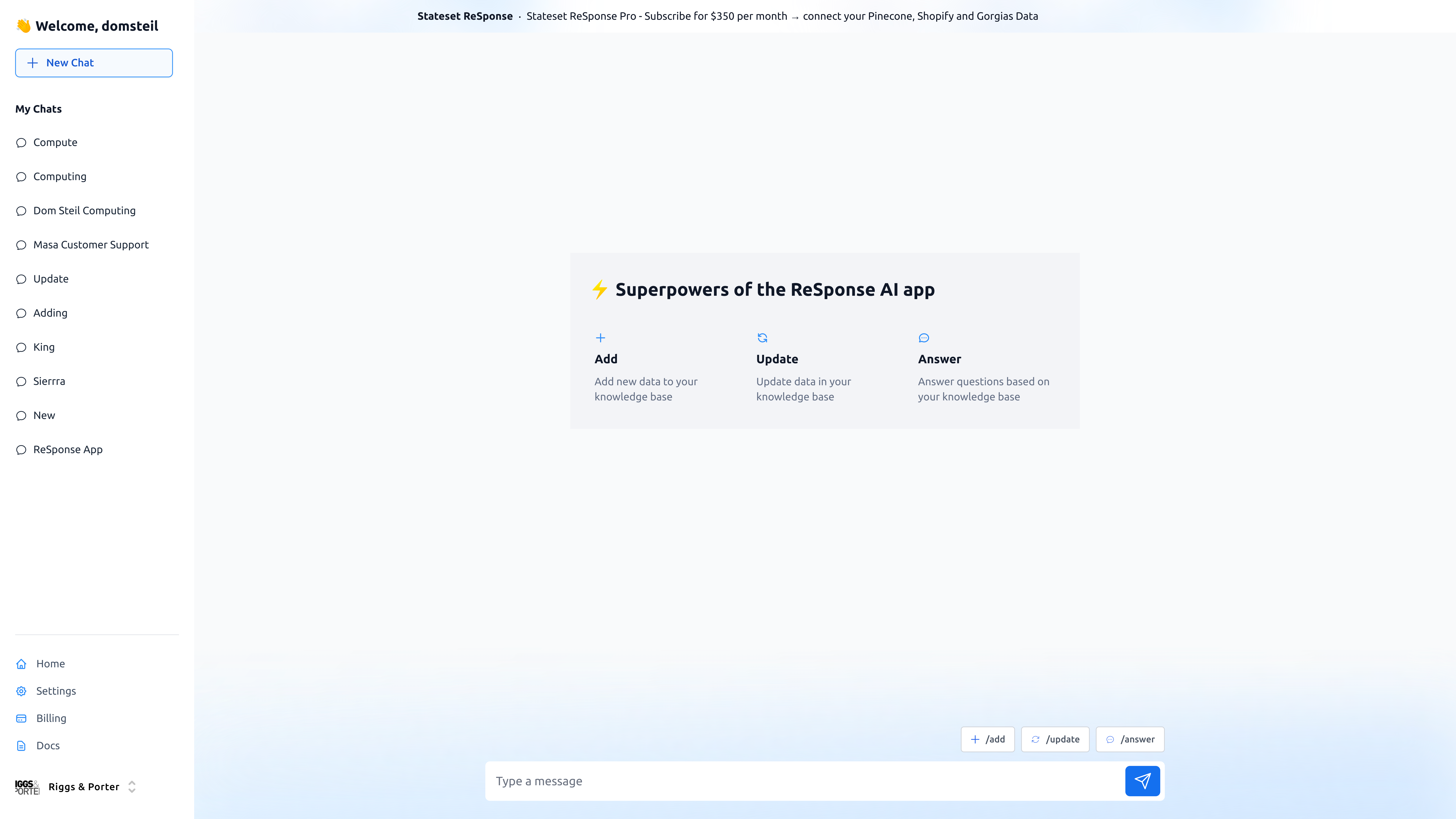
AI agents for order cancellations, returns, and refunds
Verified Jun 2026
Specs
| Pricing | Free |
|---|---|
| Free tier | Yes |
| API | No |
| Open source | Yes |
| Platforms | Browser Extension |
| Models | Clay |
| Integrations | LinkedIn, Meta, Google, Salesforce, Gong, Google Docs |
| Context window | 1M |
| Launched | 2024 |