
Pros & cons
Our analysisPros
- Identifies plants from photos accurately
- Contributes to citizen science biodiversity data
- Available on both Google Play and App Store
- Helps users learn plant species interactively
Cons
- No free tier available
- API access is waitlist-only
- Niche use case limited to plant identification
What users say
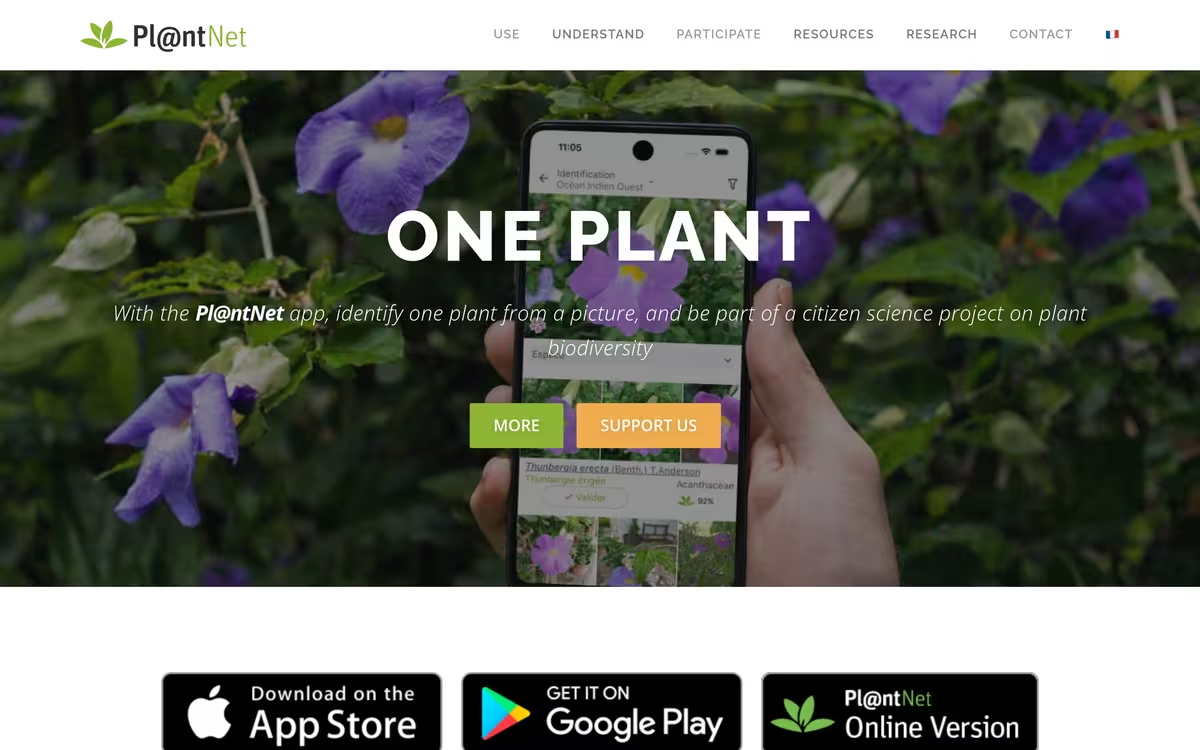
Pl@ntNet is commonly used by botanists, naturalists, and curious individuals who want to identify plant species from photographs. A frequently noted strength is its contribution to a global citizen science project on plant biodiversity. A common limitation is the lack of a free tier and waitlist-gated API access, which restricts its use in research or automated identification pipelines.
Editorial summary based on public information.
Best for
Nature enthusiasts and researchers identifying plant species in the field
Manually choose competitor  Pl@ntNet
 Midjourney
 Leonardo Ai
 Genie Printer
 Novita AI
 getimg.ai
 CakhiaTV
 SEO Content Machine
 SuperInterview AI
| Feature | Pl@ntNet | Midjourney |
|---|---|---|
| Pricing | Paid | Freemium |
| Free tier | No | Yes |
| API | Waitlist | Waitlist |
| Open source | No | No |
| Platforms | Web | Mobile App |
| Models | Plantnet | Midjourney |
| Context window | 32k | 8k |
| Launched | 2025 | 2025 |
| Integrations | Google Play, App Store | — |
Top alternatives to Pl@ntNet
See all alternatives → Midjourney
High-quality AI image generation with a focus on artistic and cinematic styles
Leonardo Ai
Image generation platform built for game assets and concept art

FLUX
AI image generator from text prompts

Ideogram
AI image generator that renders coherent text and typography in images

Remove-bg AI
Remove image backgrounds instantly, no signup required
Genie Printer
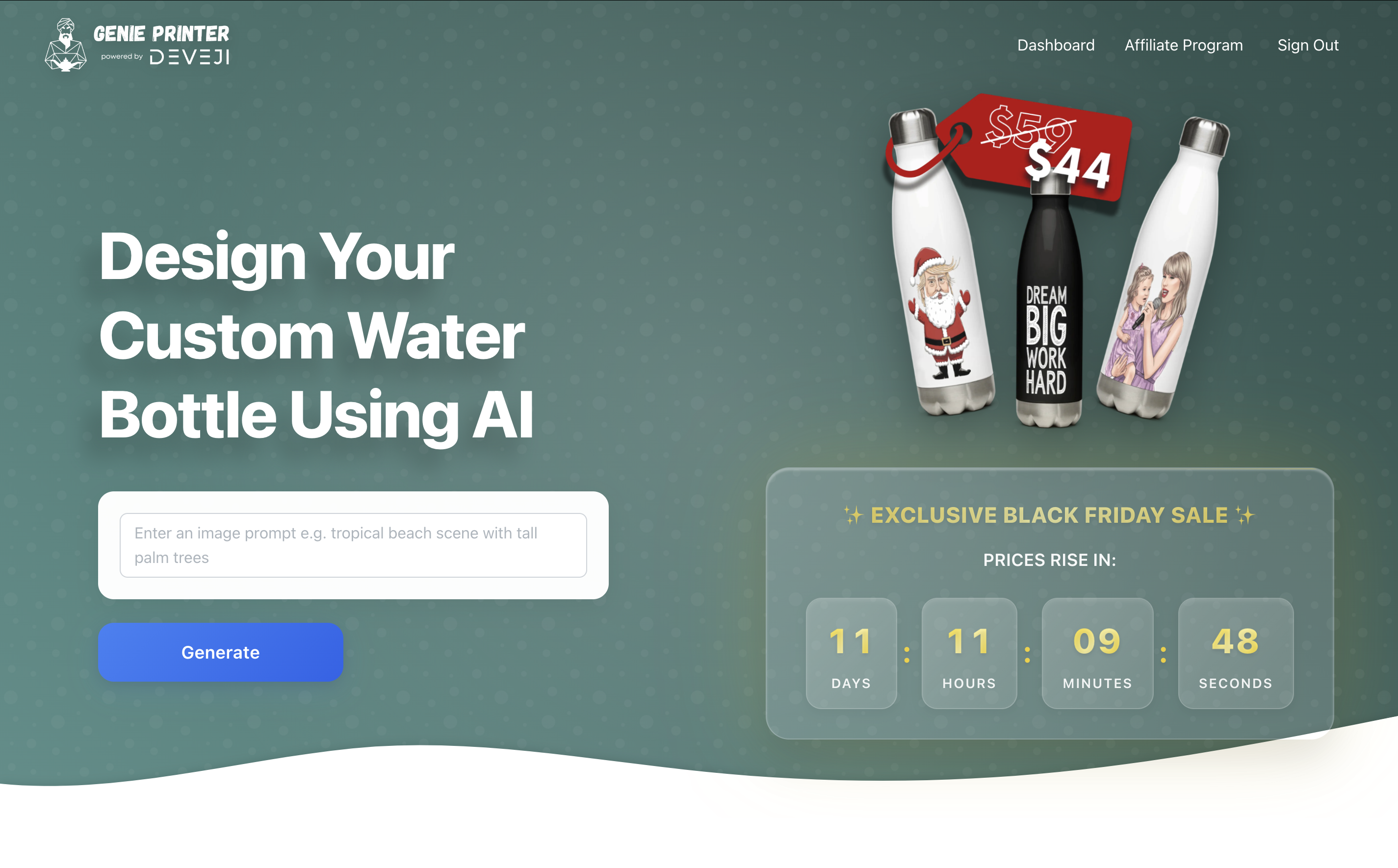
Custom water bottles with AI-generated designs
Verified Jun 2026
Specs
| Pricing | Paid |
|---|---|
| Free tier | No |
| API | Waitlist |
| Open source | No |
| Platforms | Web |
| Models | Plantnet |
| Integrations | Google Play, App Store |
| Context window | 32k |
| Launched | 2025 |