

Pros & cons
Our analysisPros
- Visual map of related research papers
- Helps discover overlooked relevant work
- Free tier available
- API access supported
Cons
- Coverage limited to indexed academic literature
- Advanced features gated behind paid plan
- Not suited for non-academic research needs
What users say
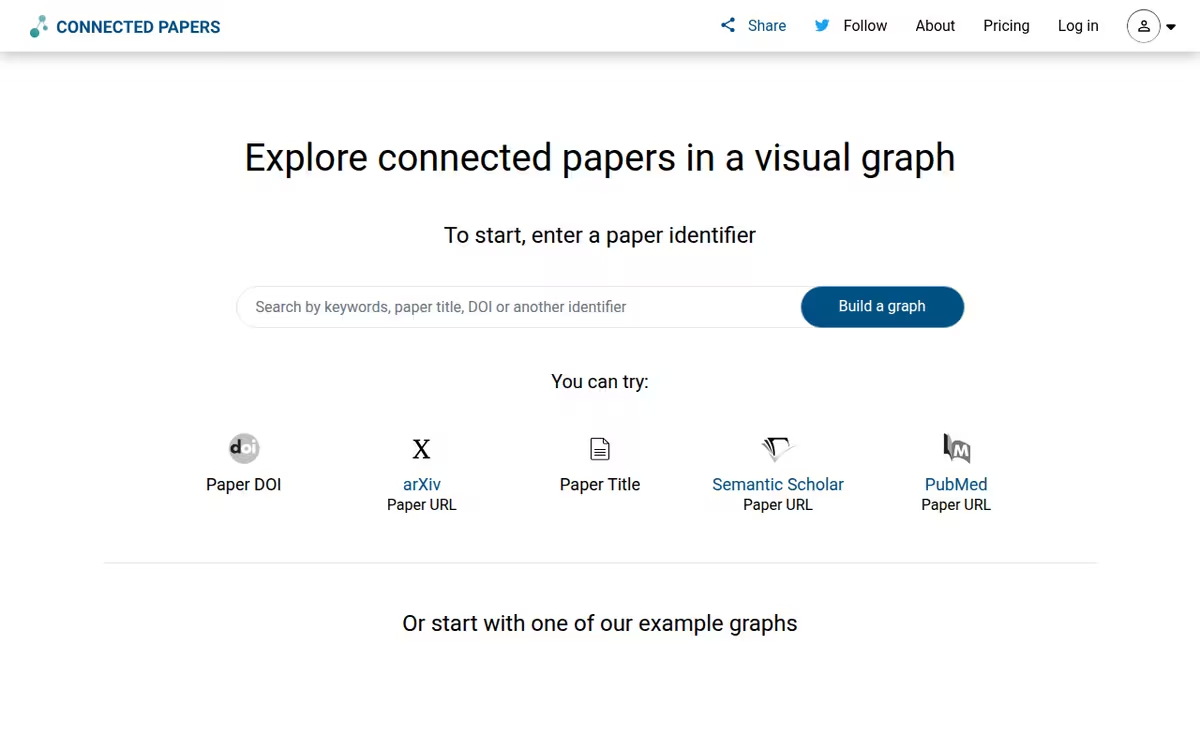
Connected Papers is commonly used by researchers and applied scientists who need to understand how a paper relates to the broader body of literature in a field. A frequently noted strength is its visual graph interface, which surfaces related work that keyword searches often miss. A common limitation is its reliance on indexed academic sources, which may leave gaps in coverage for emerging or niche topics.
Editorial summary based on public information.
Best for
Academics and scientists mapping research fields visually
Manually choose competitor  Connected Papers
 Ace It
 Profundo
 BigRead
 LitGrades
 NoteKnight
 Chatty Tutor
 Transcript Generator
 Advacheck
| Feature | Connected Papers | Ace It |
|---|---|---|
| Pricing | Freemium | Paid |
| Free tier | Yes | No |
| API | Yes | Yes |
| Open source | No | No |
| Platforms | API | API |
| Models | Connectedpapers | Aceit |
| Context window | — | 8k |
| Launched | 2025 | 2025 |
Top alternatives to Connected Papers
See all alternatives →
Ace It
Create study materials from any content

Profundo
AI research assistant

BigRead
Summarize long documents and extract key insights

LitGrades
AI essay grading and feedback for teachers

NoteKnight
Study with AI-powered flashcards and tools

Chatty Tutor
Learn English through AI-powered conversations
Specs
| Pricing | Freemium |
|---|---|
| Free tier | Yes |
| API | Yes |
| Open source | No |
| Platforms | API |
| Models | Connectedpapers |
| Launched | 2025 |