

OpenAI
OpenAI's main chat interface, supporting GPT-4o, image input, voice, browsing, and DALL-E generation
OpenAI's main chat interface, supporting GPT-4o, image input, voice, browsing, and DALL-E generation

AI search that answers questions with inline citations, supporting follow-up questions with full context
Open-weight LLMs including a 671B MoE model that matches GPT-4o at far lower API cost

Grammar, style, and AI writing assistance across your browser and apps

Writing and summarization built into the Notion editor

Anthropic's AI assistant, rated strongest for coding and instruction-following

High-quality AI image generation with a focus on artistic and cinematic styles

VS Code-based editor with deep AI chat and project-wide code understanding
Image generation platform built for game assets and concept art

AI avatar videos from a script, no camera or studio needed

Generate presentations and documents from a text prompt.
Text-to-video generator for short social clips in the browser
AI writing workflows for marketing teams and agencies

Rewrite sentences to improve clarity and tone

AI search that summarizes results with source citations.

Records, transcribes, and summarizes meetings across major platforms.

Shopify chatbot that handles sales questions and cart recovery via AI
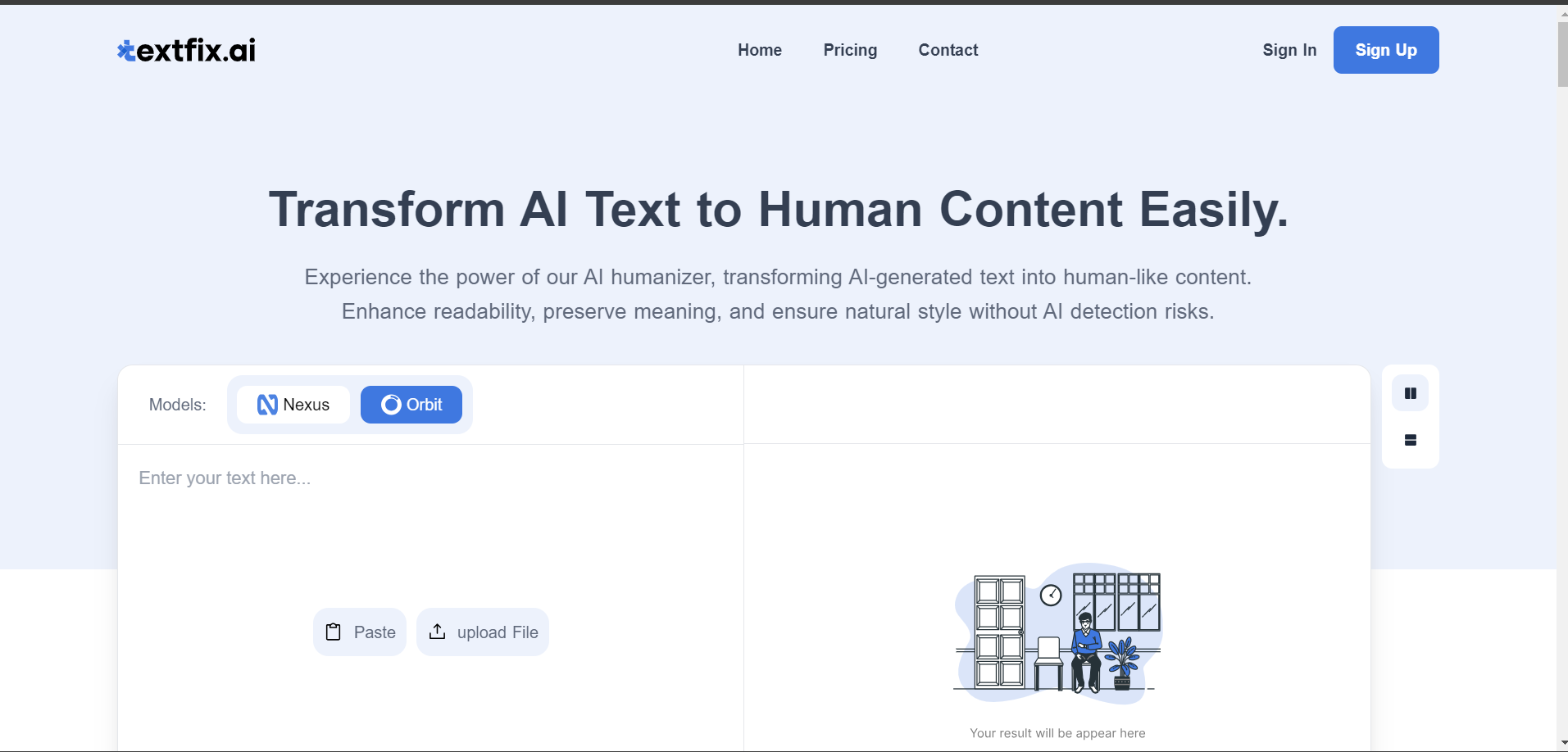
Humanize AI writing to sound natural
Summarize long-form text and extract key information
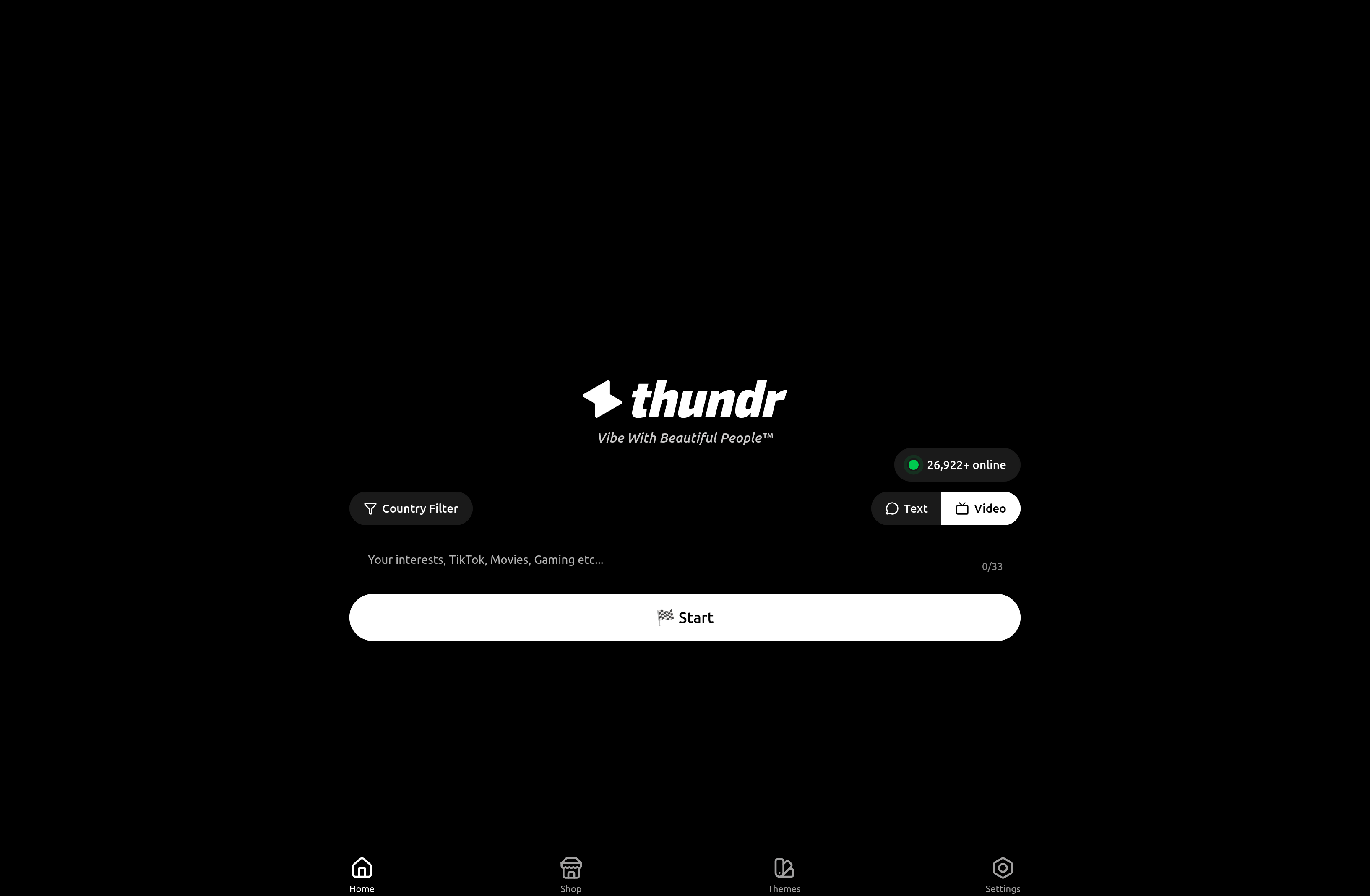
Free video chat with random people

Visual academic paper finder

Workflow automation platform with built-in OpenAI integration

AI flight search with personalized deals and real-time price tracking
Email client as simple as text messaging
Pick up to 3 — we tailor the catalog. Change anytime.